Wildlife
Lion, leopard, cheetah, elephant, giraffe and immense populations of plains game live here throughout the year. The Migration adds drama, but resident wildlife makes the Serengeti much more than a seasonal destination.
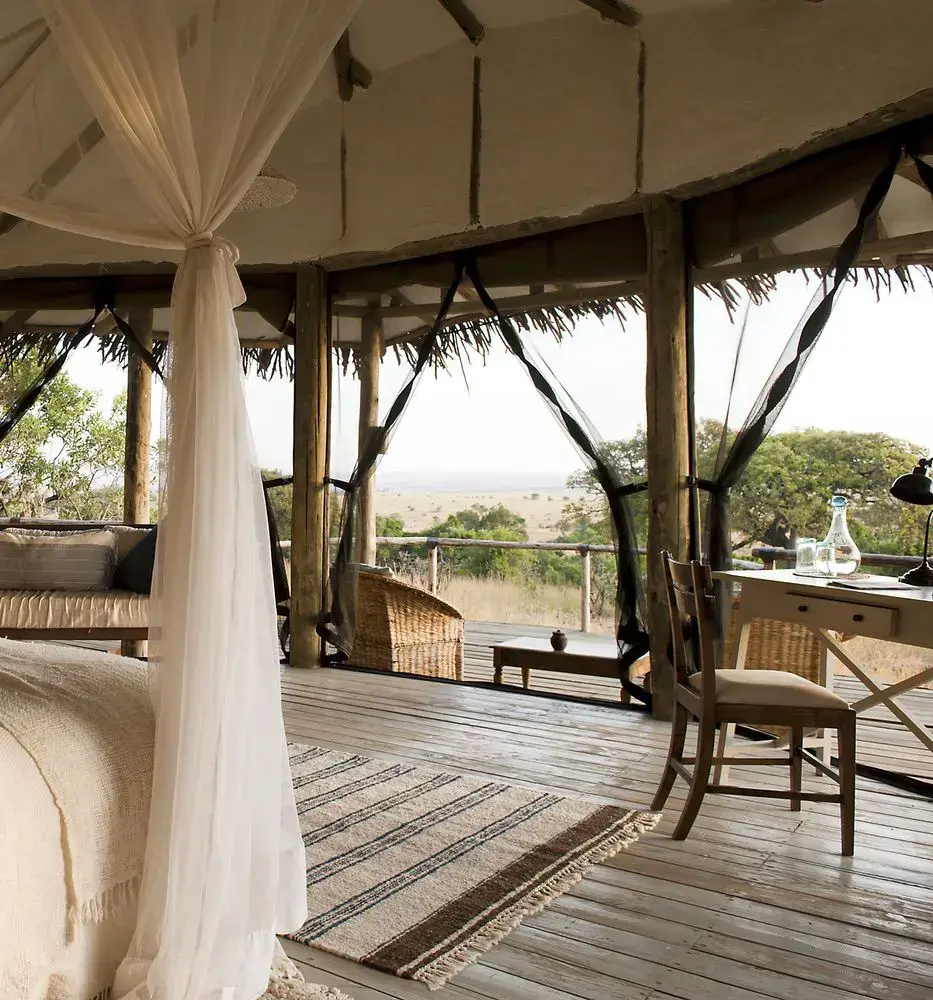
Northern Tanzania
The scale and variety behind Tanzania’s most famous safari.
Our take
Use one well-chosen Serengeti area for at least three or four nights. Splitting north and south only makes sense when the season, journey length and flight schedule justify it.
The Serengeti is too large and varied to plan as one fixed safari address. The southern short-grass plains, central valleys, western corridor and northern river country each have a different feel, and the most useful camp position changes with the season. A strong journey starts with your dates and priorities, then chooses the area and the guide who can make the most of them. A famous camp name alone is not enough if it puts you a long drive from the landscape you hoped to explore.
The Great Migration is an extraordinary part of the Serengeti story, but the herds respond to rainfall and cannot be pinned to a calendar day. River crossings are especially unpredictable. Even when the main herds are elsewhere, resident lion, leopard, cheetah and plains wildlife make a well-chosen area rewarding. We prefer to build a complete safari, with time for quiet sightings and the broader landscape, rather than promise one spectacle.
Three or four nights in one well-positioned area often give more than a rushed circuit of distant camps. A north and south split can work on a longer trip, but it adds flights or long transfers and should have a clear seasonal reason. We compare small tented camps, more permanent lodges and private concession stays for their location, guiding and atmosphere. The Serengeti pairs naturally with Ngorongoro and sometimes Tarangire. See our Great Migration itinerary for one focused route, or browse the full collection of Serengeti lodges below.
Lion, leopard, cheetah, elephant, giraffe and immense populations of plains game live here throughout the year. The Migration adds drama, but resident wildlife makes the Serengeti much more than a seasonal destination.
January to March for the southern plains; June to October for dry-season viewing and the northern reaches.
Use one well-chosen Serengeti area for at least three or four nights. Splitting north and south only makes sense when the season, journey length and flight schedule justify it.
Where to stay
These are the properties currently featured in our Tanzania collection. We recommend them selectively according to the route, season, party and style of trip.
Serengeti
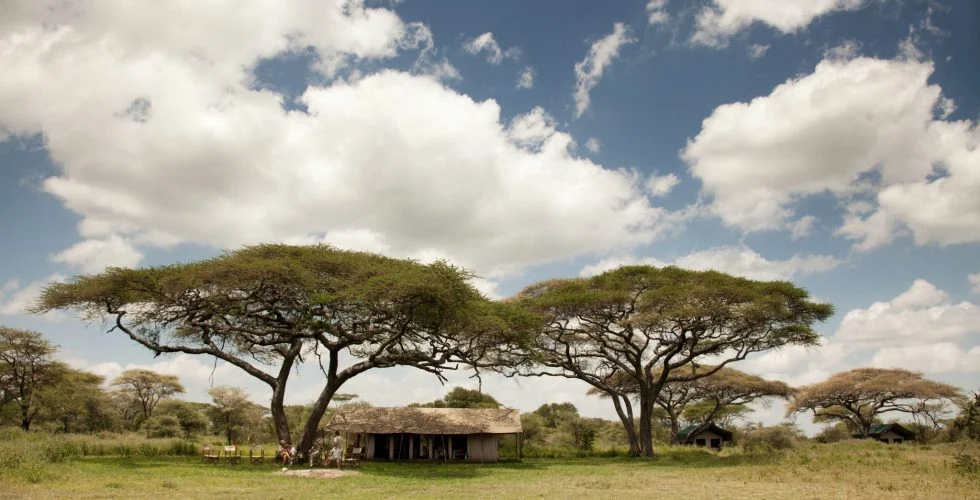
Serian’s Serengeti Mobile Kusini is a seasonal canvas camp in acacia woodland beside the southern short-grass plains. A separate property from Nomad’s Kusini Serengeti, it is an option for travellers who want traditional tented accommodation and a safari focused on the southern ecosystem.
View property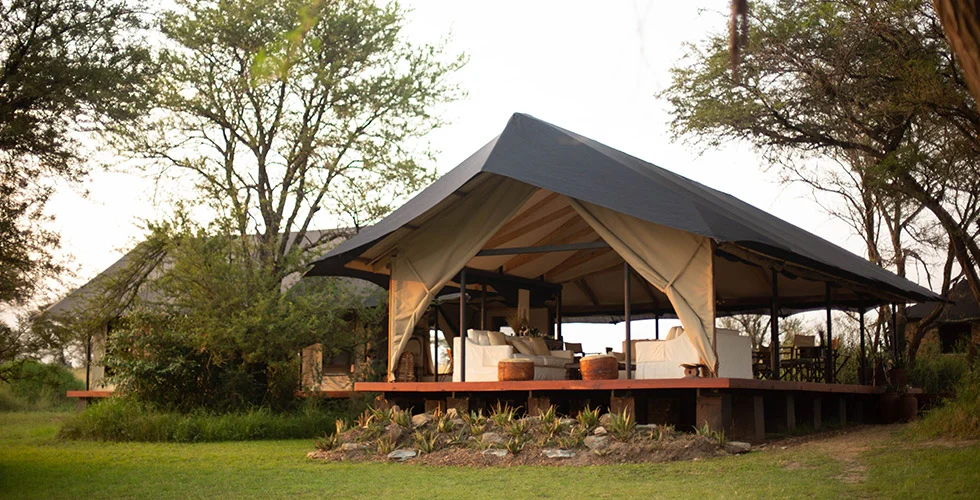
Serengeti
Serian’s Kidimbwi is a three-tent, exclusive-use camp in the Lamai Wedge, close to the Mara River in northern Serengeti. Its small scale makes it a useful option for a family or group of friends wanting their own camp rather than rooms within a larger property.
View property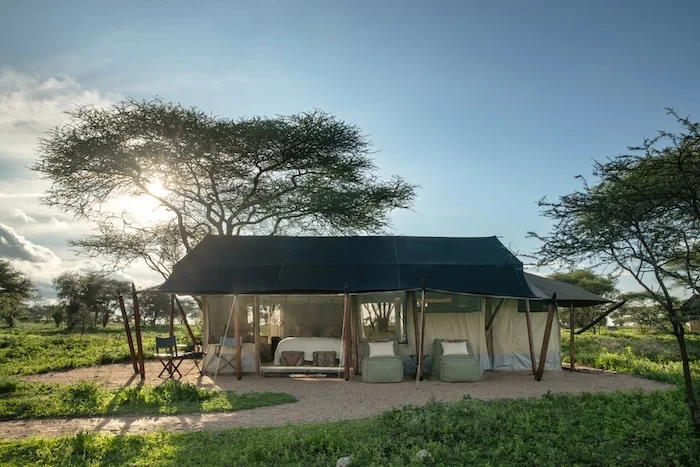
Serengeti · Opening December 2026
Mwiba Plains, formerly Songa South, is announced for December 2026 in the Greater Mwiba Protected Wildlife Area on the southern edge of the Serengeti ecosystem. It is a forthcoming camp to consider when planning a southern plains safari.
View property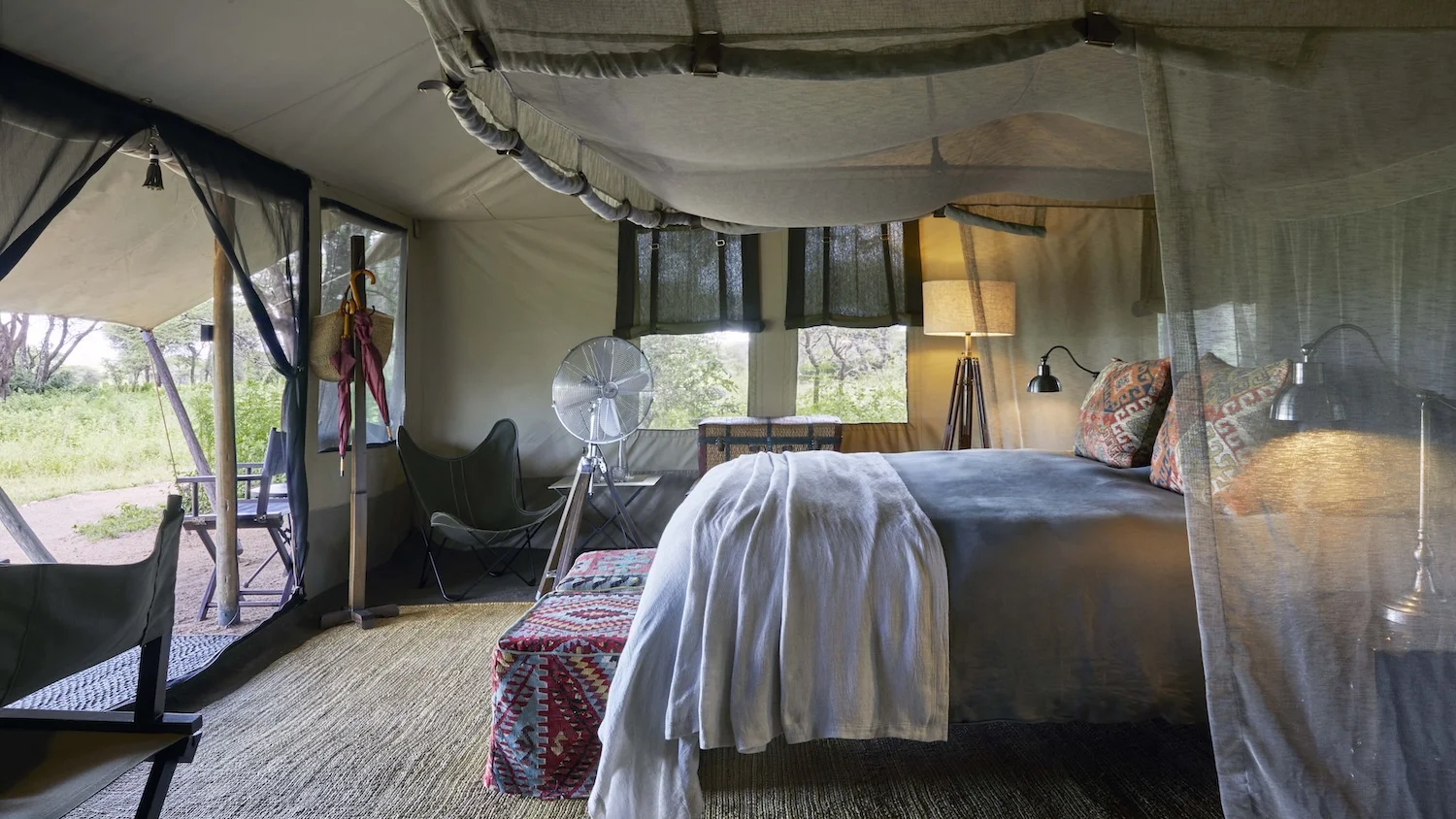
Serengeti
Songa sits on a hillside in Kogatende in the northern Serengeti, within reach of the Mara River. Canvas accommodation and broad views make it a camp to consider for a northern safari, with the migration season an important part of the planning.
View property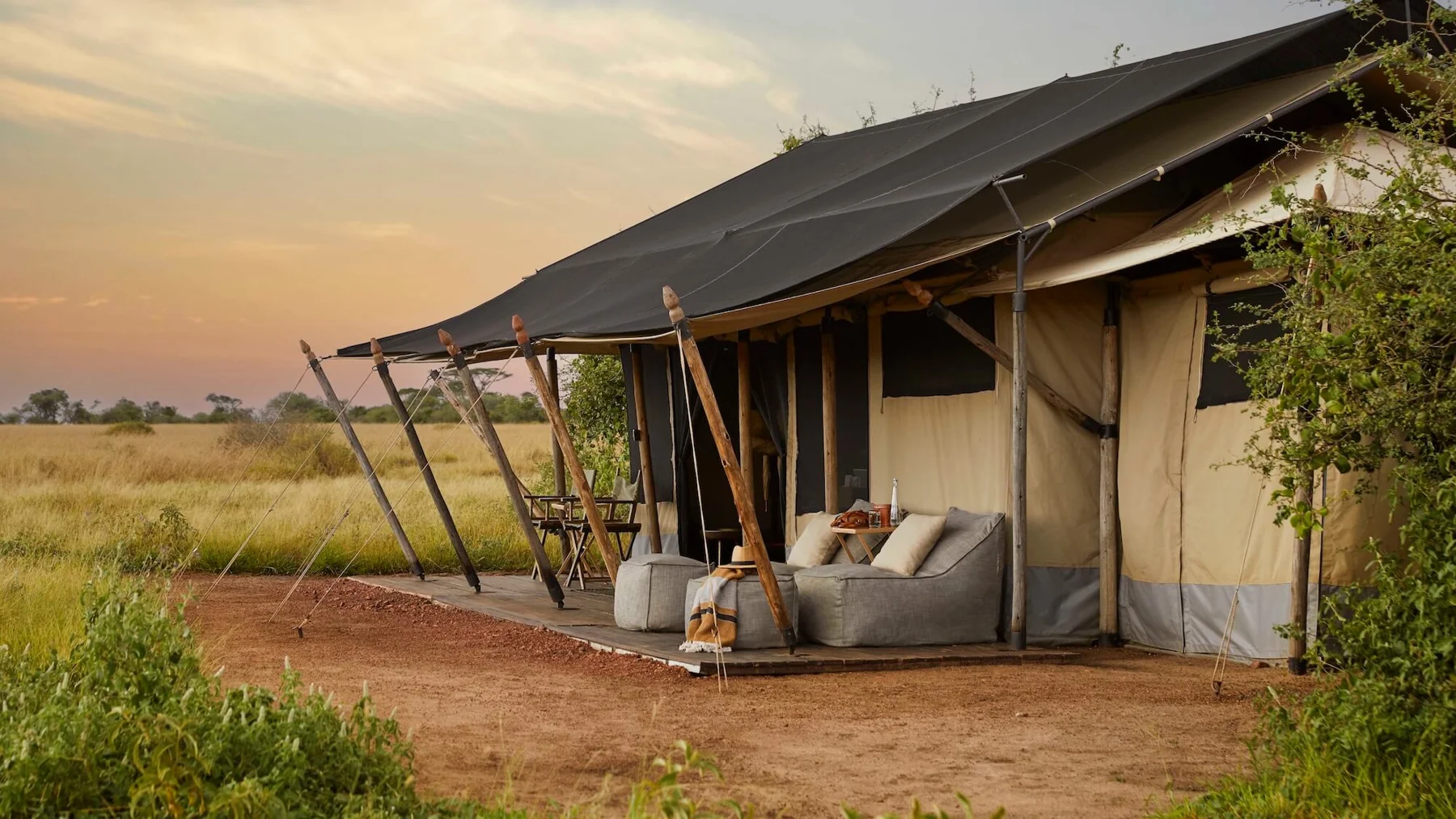
Serengeti
Mila is a small canvas camp in Nyasirori in the western Serengeti. Its position makes it an appealing alternative to a safari built entirely around the park’s central and northern areas, especially for travellers who want time to explore one landscape properly.
View property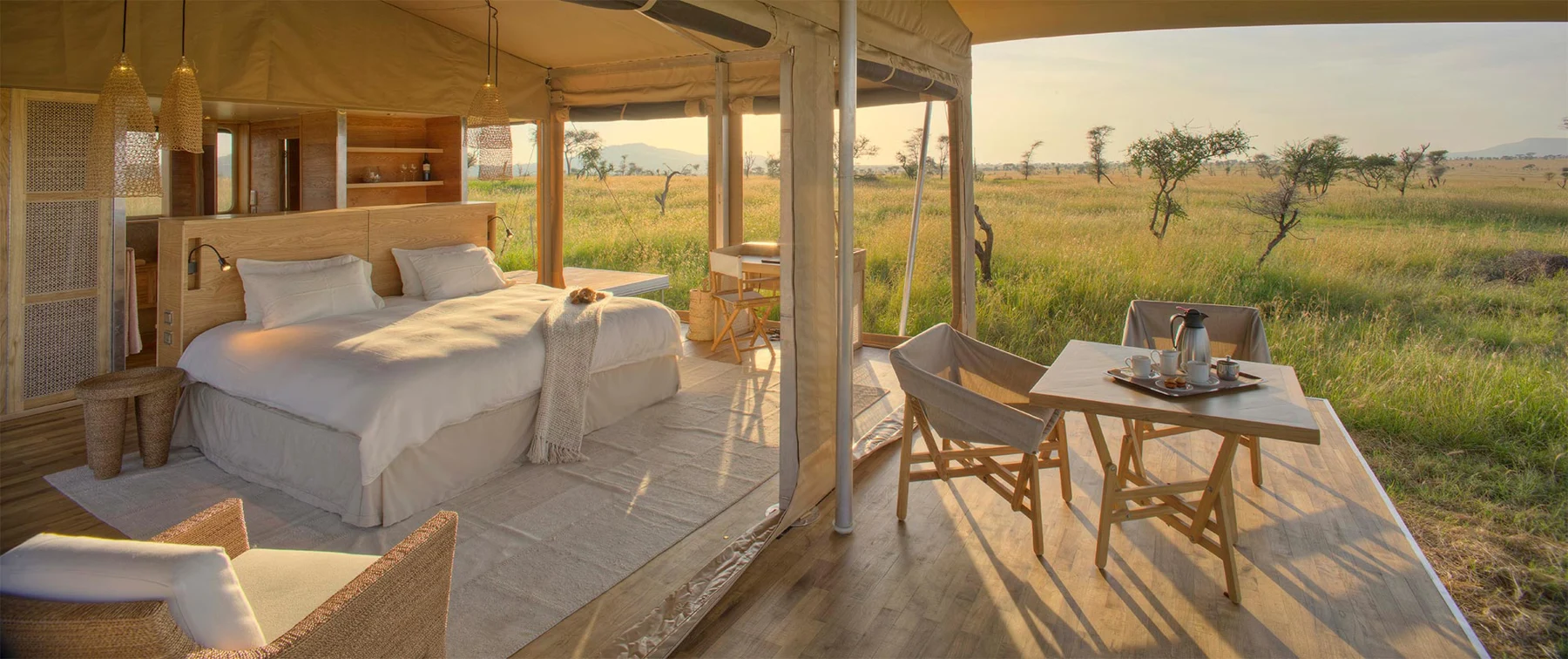
Serengeti
Roving Bushtops is an eight-tent luxury safari camp that moves between northern and southern Serengeti bases. Its specially designed wheeled tents bring private hot tubs, butler service and spacious decks to a seasonal camp, putting the choice of location at the heart of the stay.
View property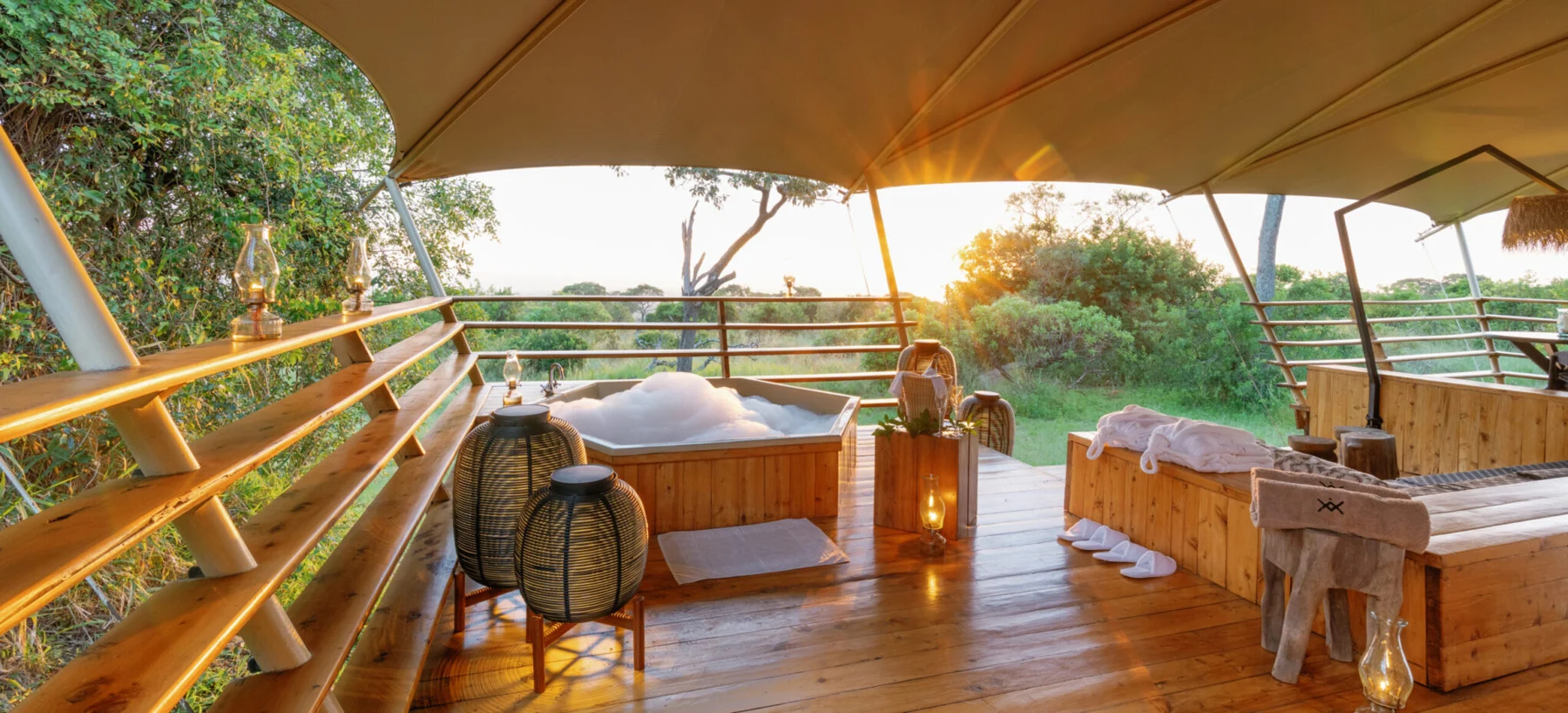
Serengeti
Serengeti Bushtops is a luxury tented camp in the northern Serengeti, combining wildlife drives with sunset-facing decks, private hot tubs and butler service. Its fixed location makes it a comfortable northern safari base, with time at camp an appealing part of the stay.
View property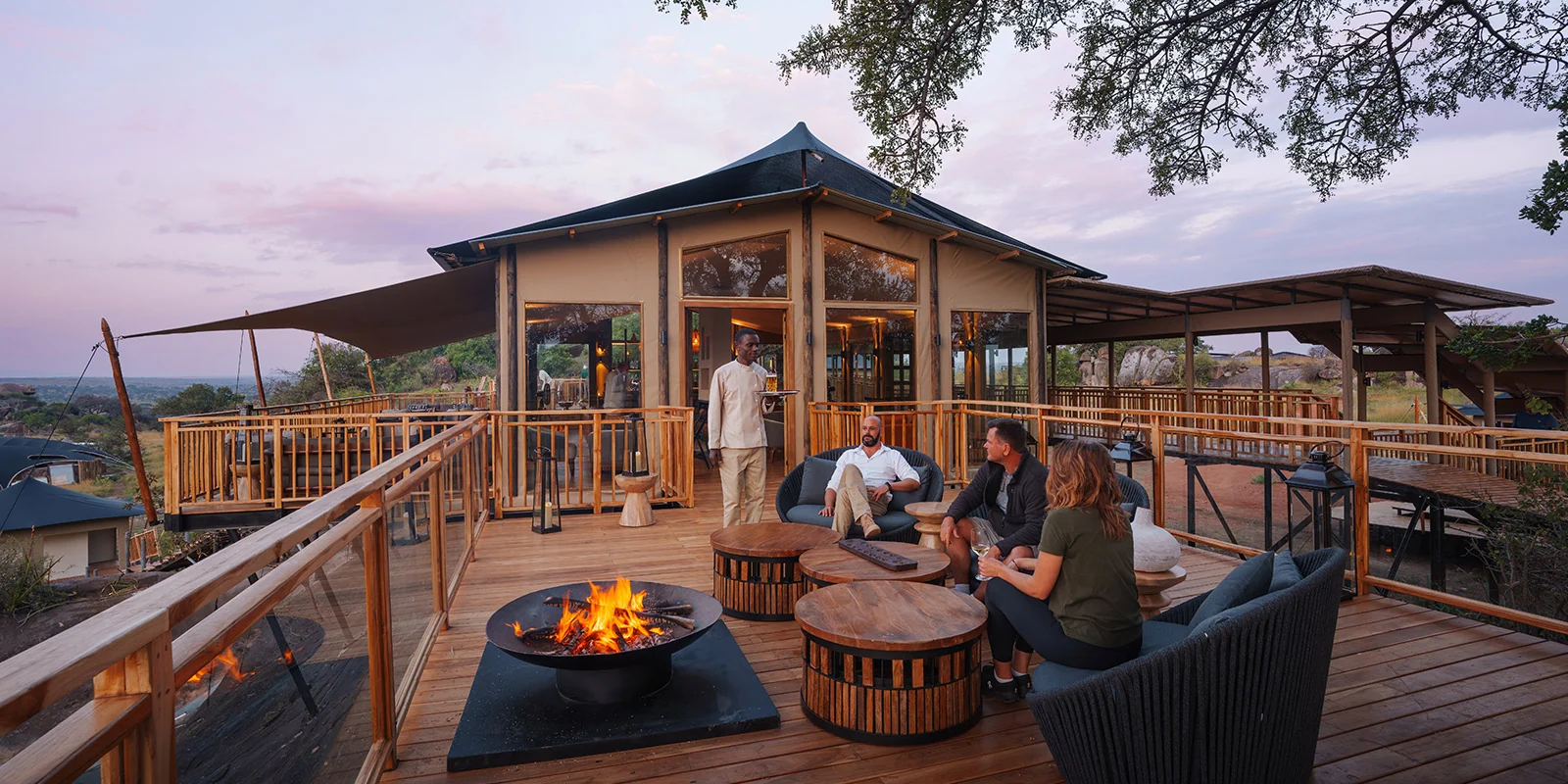
Serengeti
Warangi Ridge is a luxury tented lodge in the central Serengeti, with suites and viewing decks set among rocky outcrops above the plains. Private plunge pools and spacious accommodation make it appealing to travellers who want to combine game viewing with time enjoying the lodge itself.
View property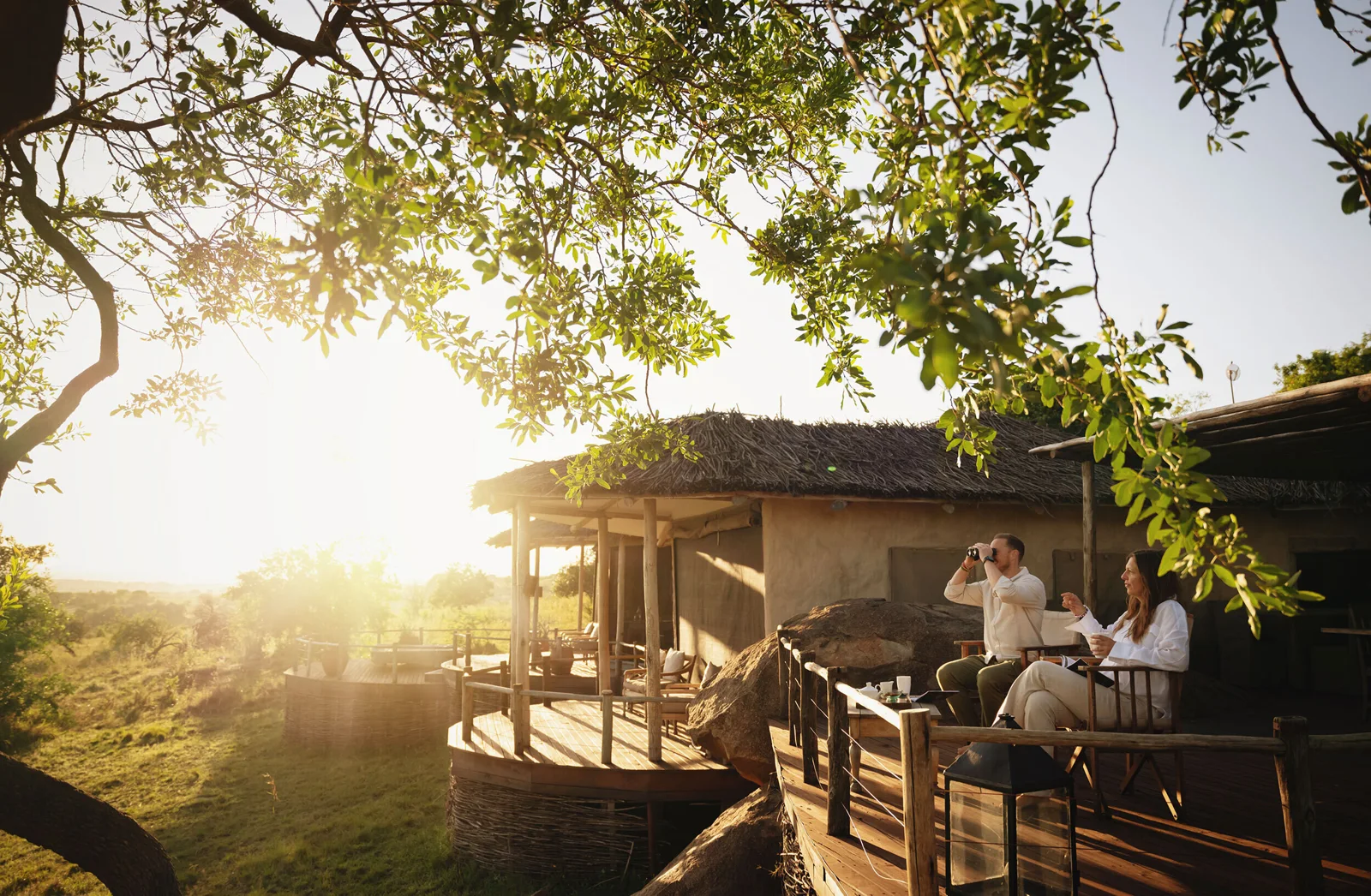
Serengeti
Mkombe’s House is an exclusive-use safari home in the northern Serengeti, built around the needs of families and friends. It has the freedom of a private house, the support of a dedicated team and a setting overlooking the plains from the Kogakuria Kopje. A swimming pool, children’s pool and enclosed snug give it a different emphasis from a conventional safari camp. It suits travellers who want excellent wildlife country alongside space for children to relax and adults to enjoy time together.
View property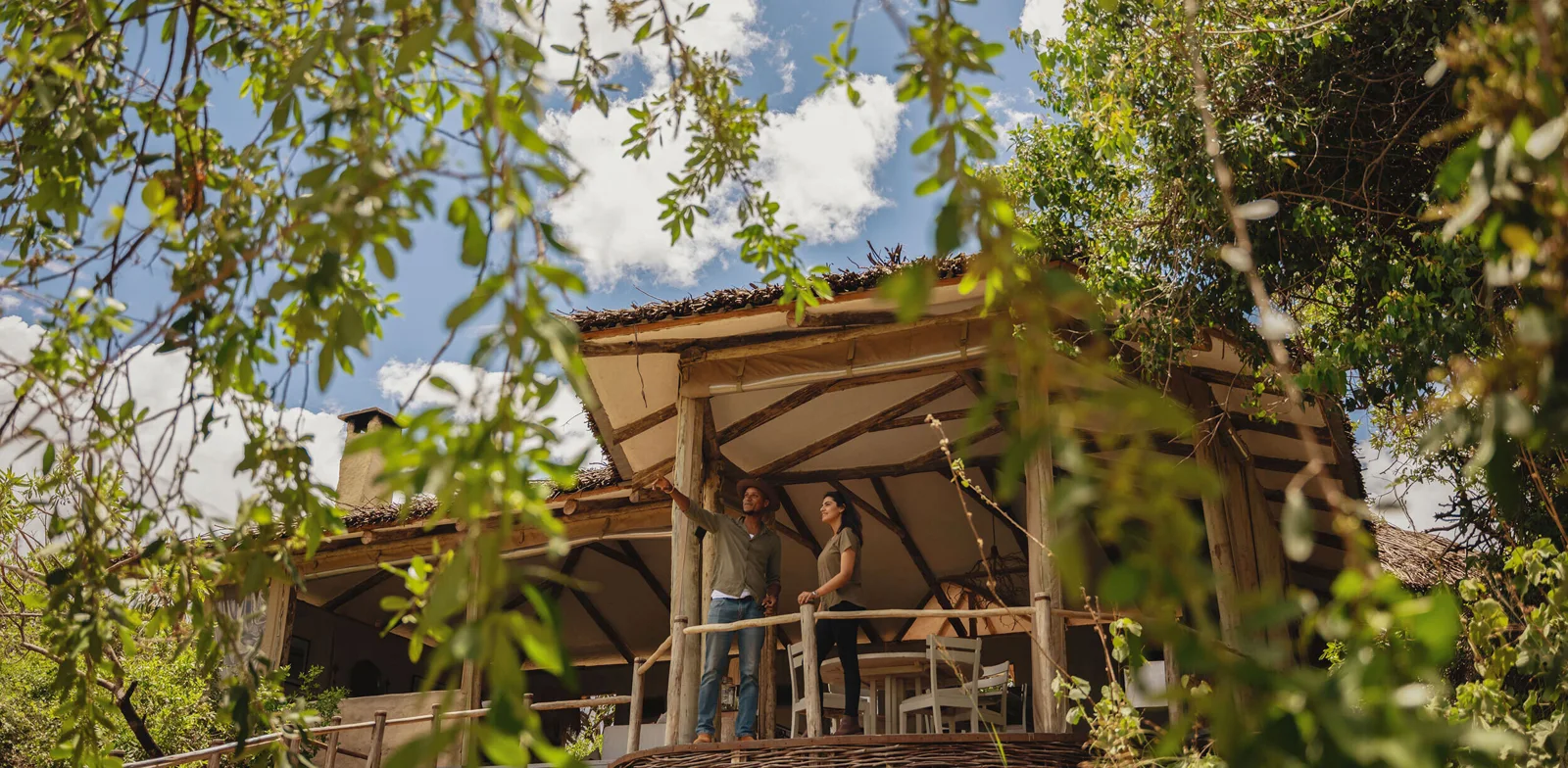
Serengeti
Lamai Private is a small, exclusive-use lodge in the northern Serengeti, designed for families and friends who want their own corner of the national park. Set around the Kogakuria Kopje, it combines a broad view over the plains with a dedicated camp team and private safari arrangements. It makes an appealing base for a group that values time together as much as wildlife viewing, with a swimming pool, generous decks and space to settle into a comfortable daily rhythm.
View property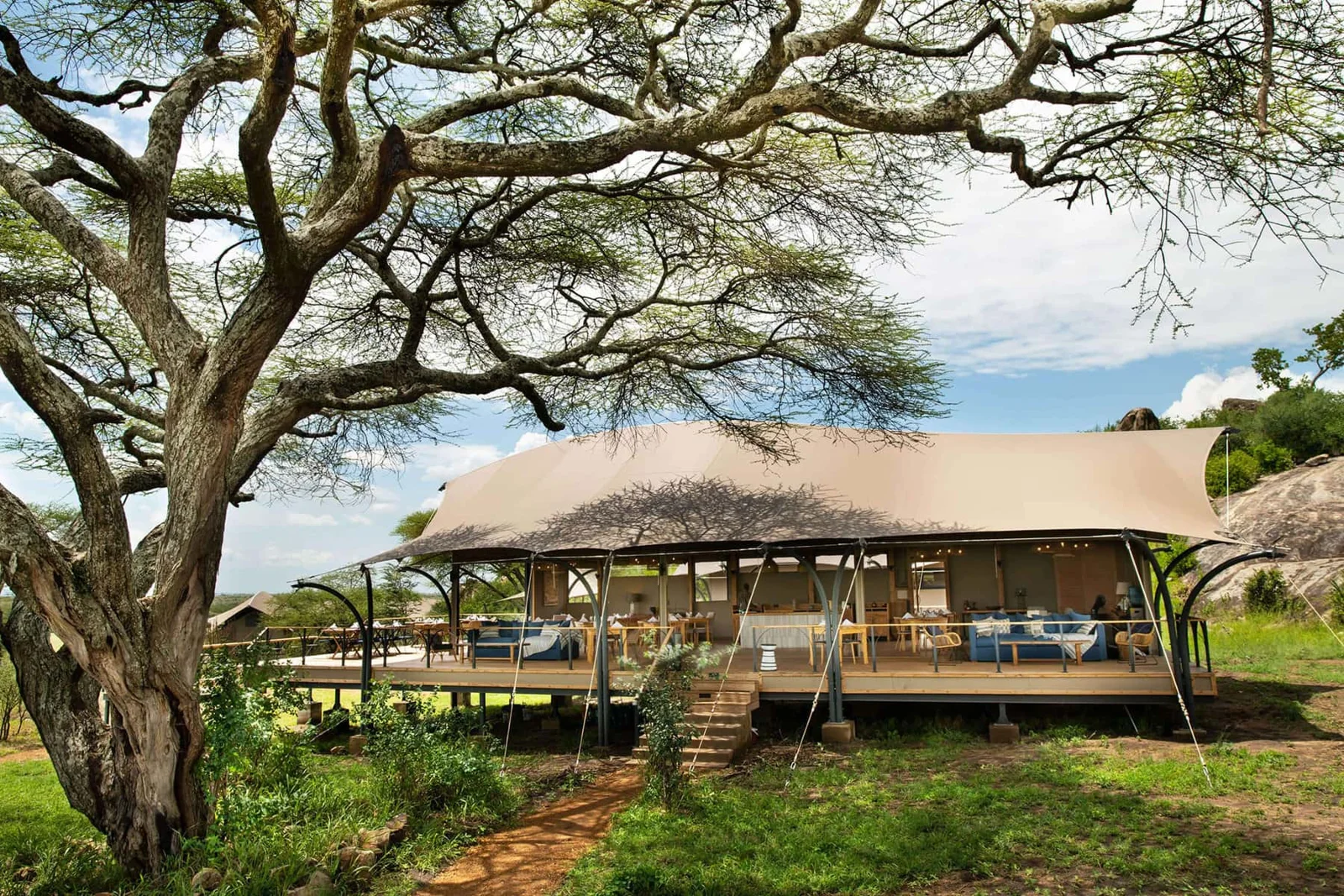
Serengeti
Lemala Nanyukie is a contemporary safari lodge east of Seronera in the Serengeti. Grassland, acacia trees and rocky kopjes frame the property, while the area’s big cats make wildlife viewing an important focus beyond the migration itself. Private plunge pools and generous living space give it a distinctly lodge-style level of comfort.
View property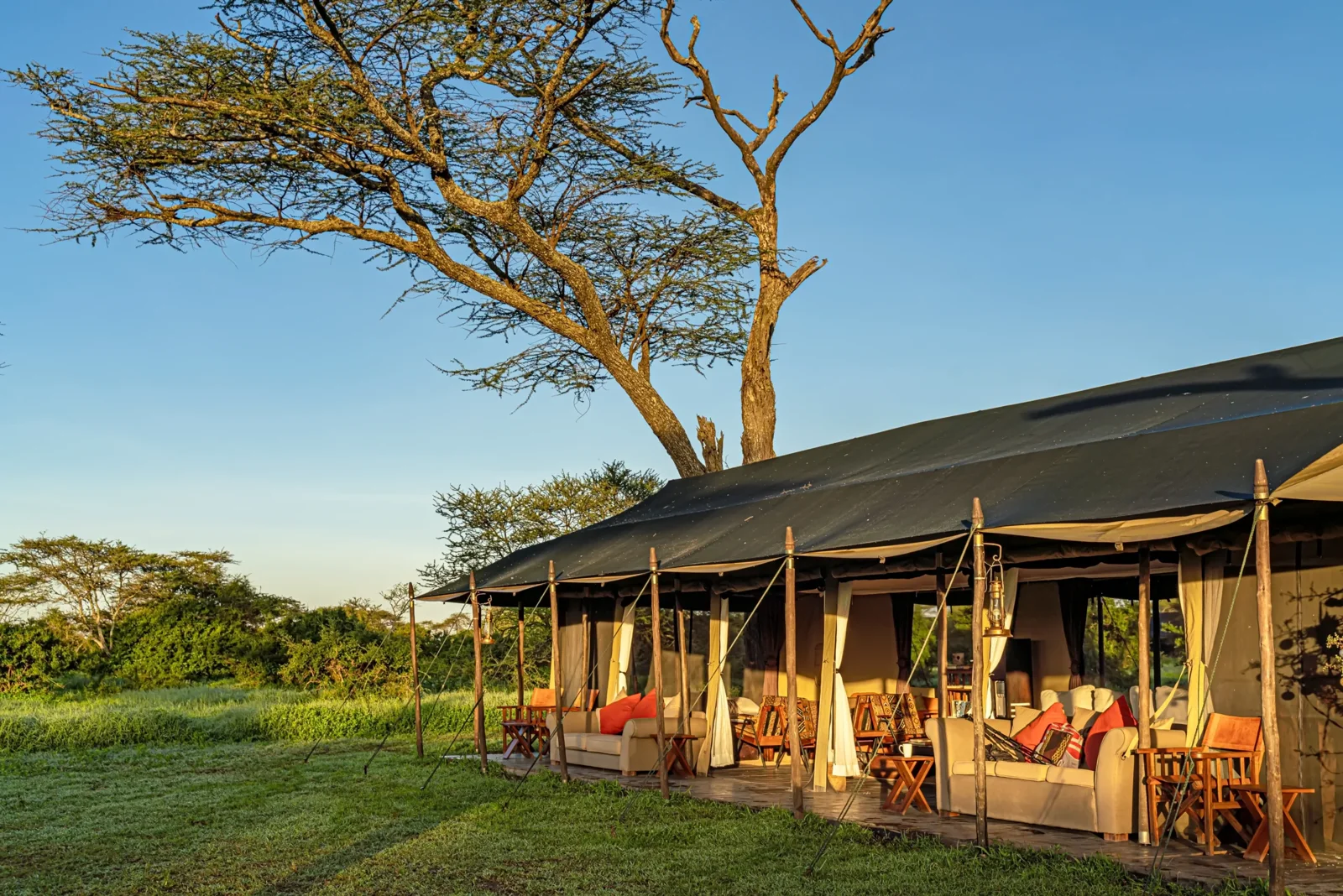
Serengeti
Lemala’s seasonal migration camp uses two positions: Ndutu in the southern ecosystem and the northern Serengeti near the Mara River. The accommodation follows a traditional canvas-camp approach, with the location chosen around the season. These are two operating positions of one seasonal camp, rather than two year-round lodges to book consecutively.
View property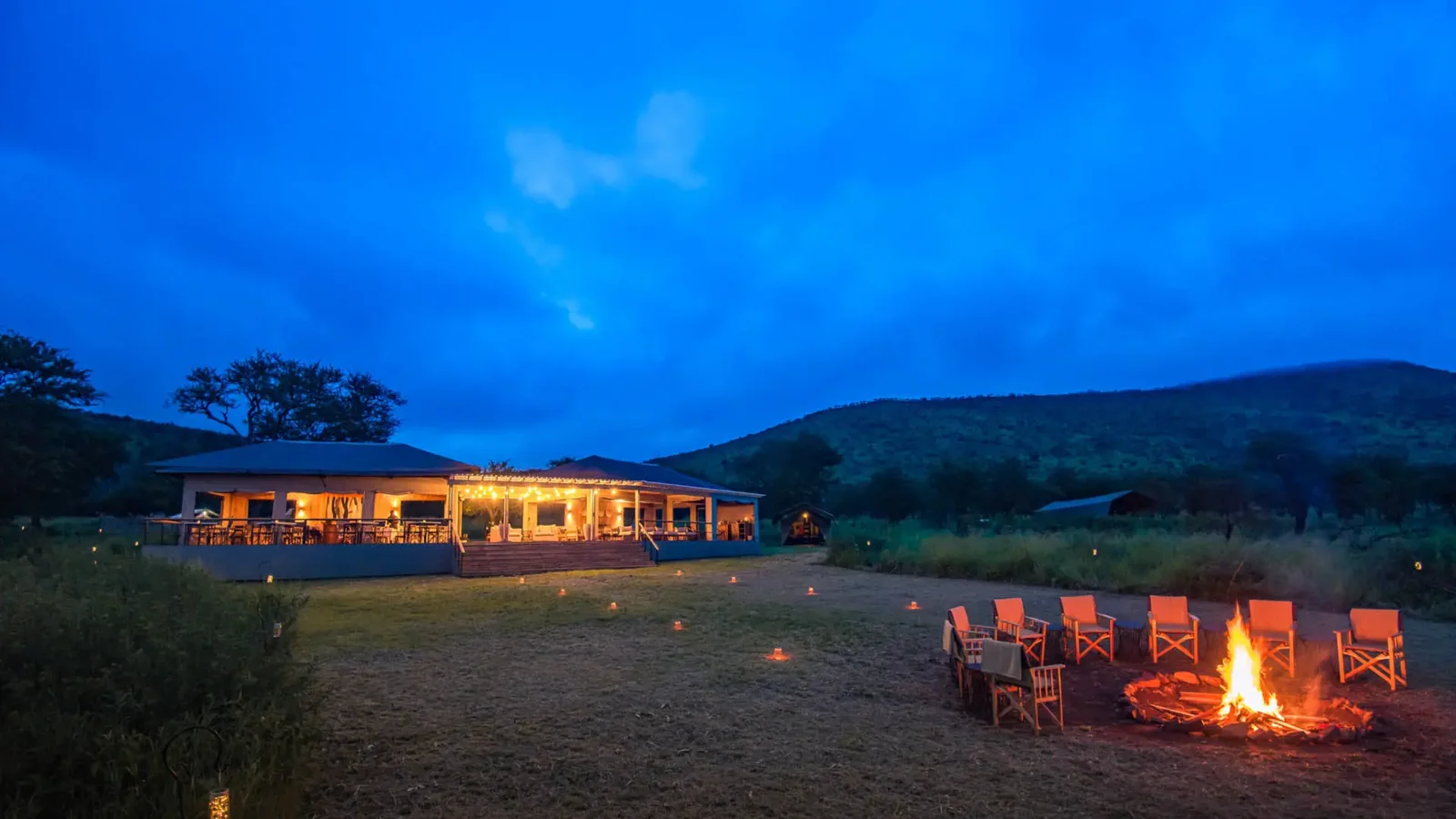
Serengeti
Dunia Camp is a permanent tented camp in the south-central Serengeti, with access to the Moru Kopjes and Seronera wildlife areas. The camp’s south-central position brings access to a mix of river habitats, open plains and granite kopjes. Resident predators provide interest outside migration periods, while seasonal herds can pass through the wider area. A small tented layout and the surrounding valley give Dunia its own character within a park where camp location meaningfully changes the experience.
View property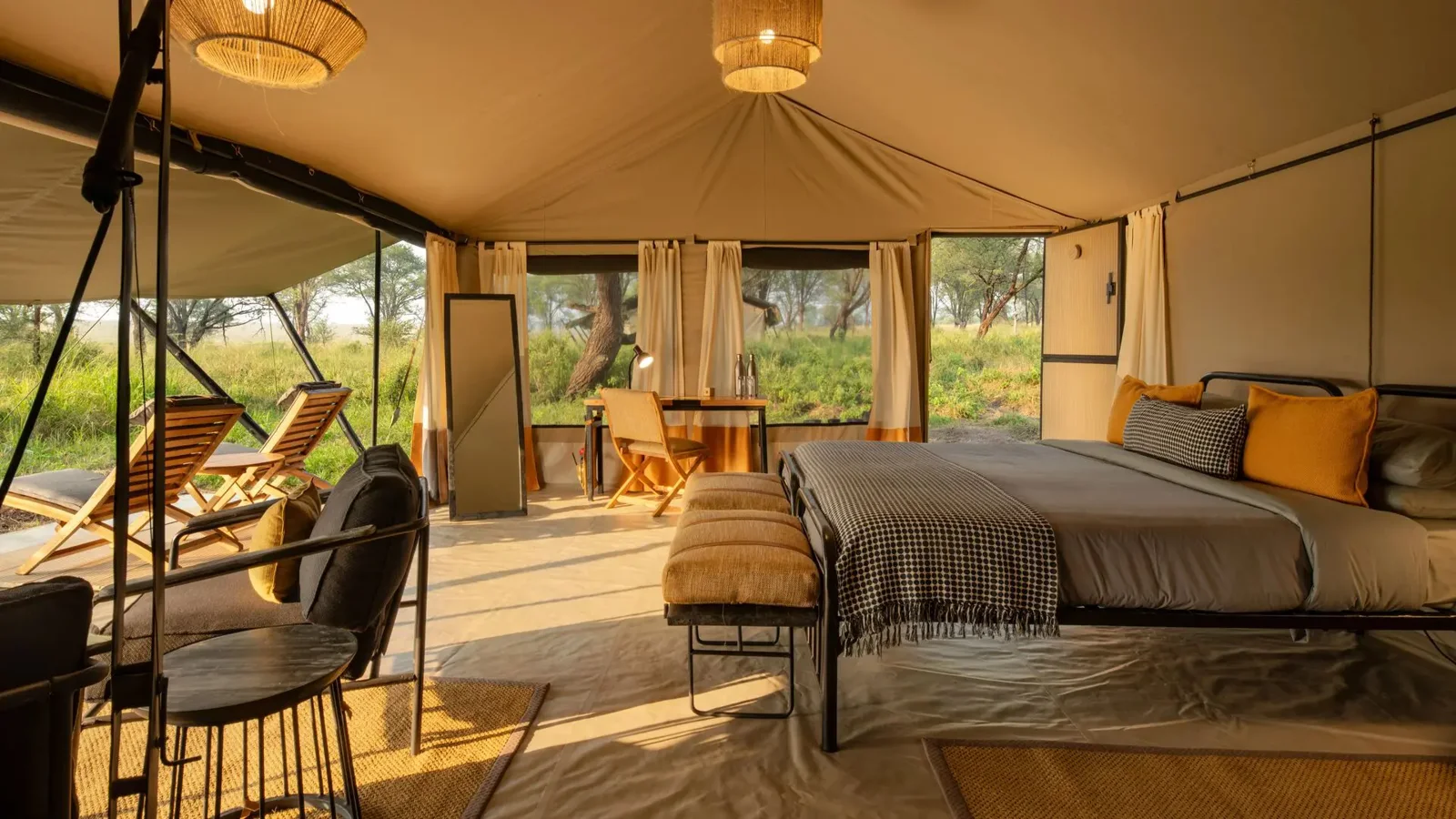
Serengeti
Ubuntu Migration Camp follows the Serengeti’s seasonal wildlife movements, using northern and southern locations to give guests access to the migrating herds. Its northern Lamai Wedge and southern Kusini settings give two versions of the mobile-camp experience. Both are chosen around seasonal wildlife access, with a modest footprint and comfortable canvas accommodation. In the south, the hillside location looks over broad plains; the northern stay introduces a different landscape beyond the Mara River and opportunities for guided walking.
View property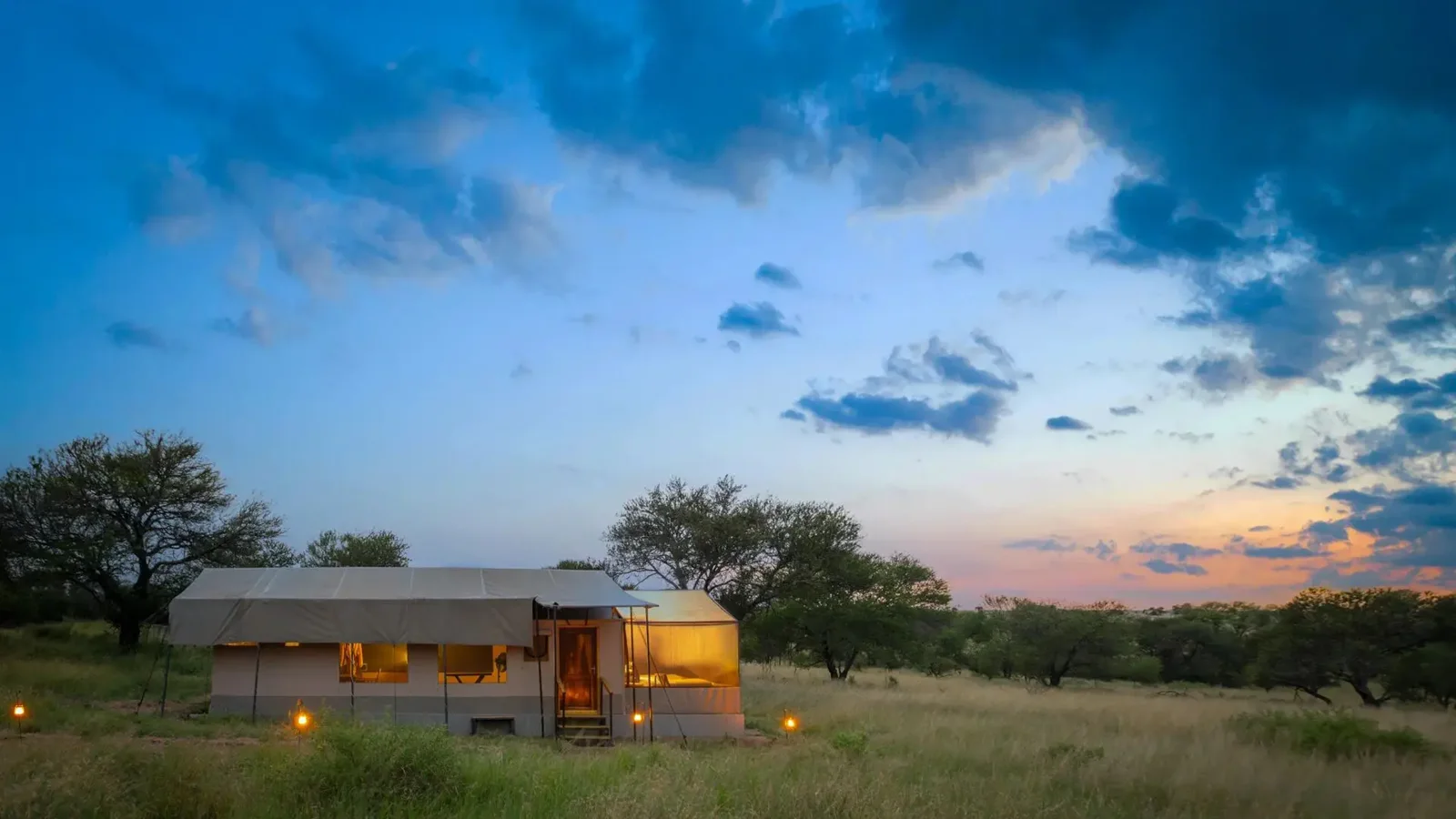
Serengeti
Olakira Migration Camp moves between northern Serengeti and the Ndutu area to follow the changing focus of the Great Migration. In the north, its wildlife focus includes the Mara River crossing areas; in the south, it is positioned for the Ndutu calving season and predators drawn to the herds. The camp therefore offers two distinct seasonal settings under one name. Canvas accommodation and stargazing spaces keep the experience close to the environment at each location.
View property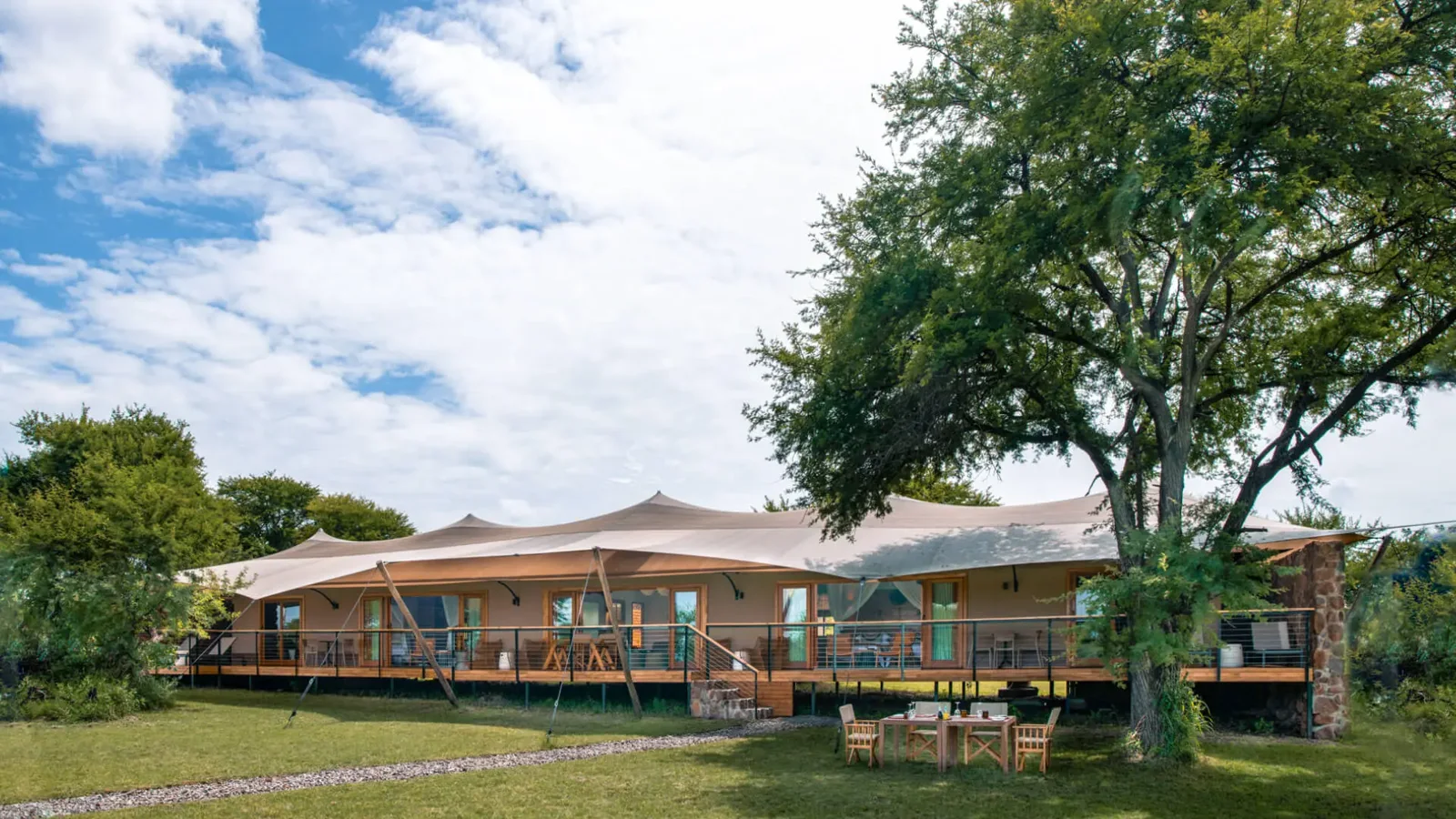
Serengeti
The Retreats at Sayari Camp bring a more private safari experience to the northern Serengeti, near the Mara River. The setting is the same northern wildlife region that makes the main camp appealing, with the Mara River and resident game nearby. The difference is in how you live and explore: a self-contained home, private guiding and meals planned for your party. This makes the accommodation arrangement central to the experience, alongside the location.
View property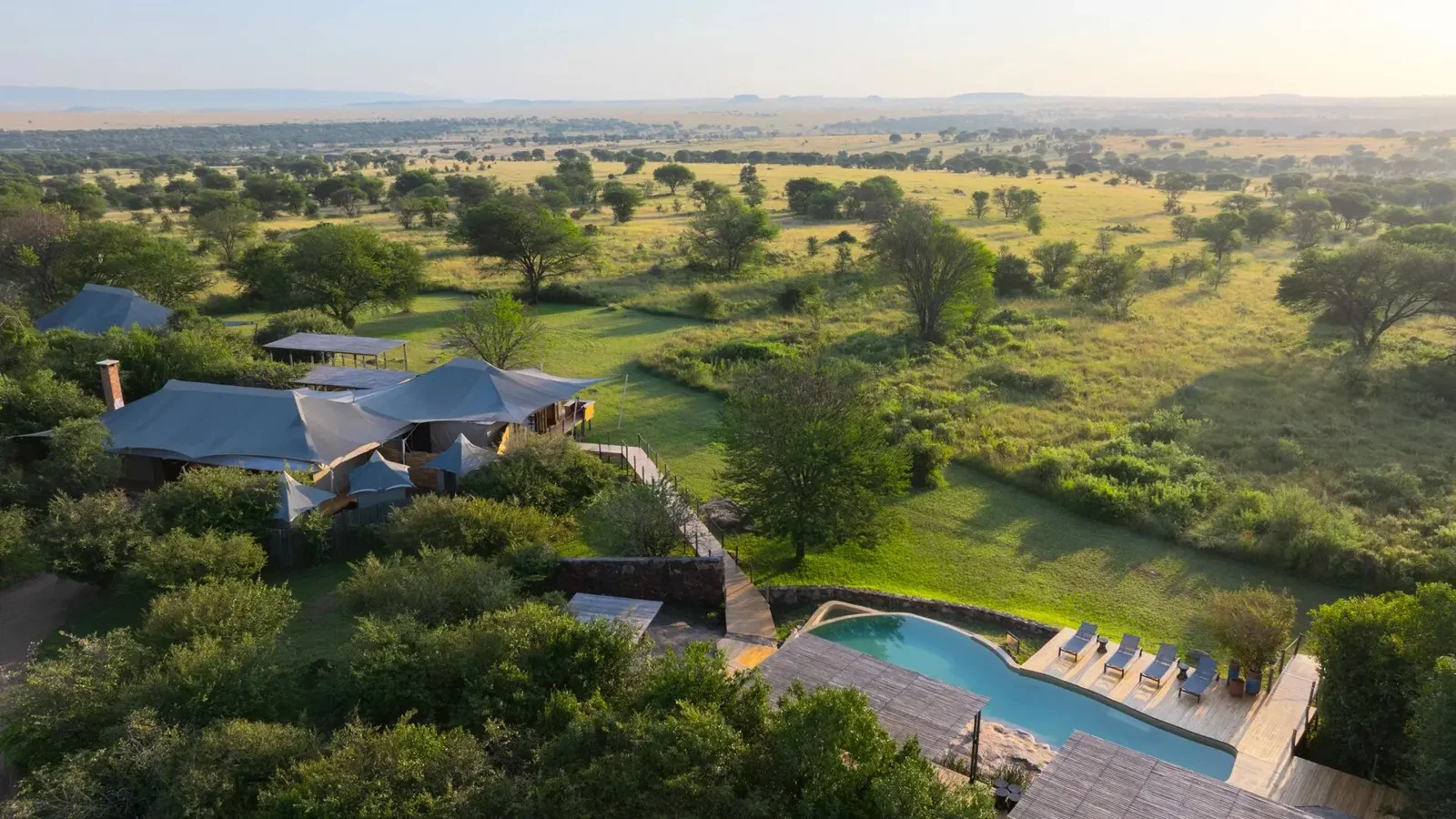
Serengeti
Sayari Camp is a permanent safari camp in the northern Serengeti, close to the Mara River and its seasonal migration crossings. The Kogatende area provides access to river habitats, woodland and open plains. Seasonal herds are a major draw, but lion, leopard and other resident wildlife give the camp a wider role in a Serengeti itinerary. Its permanent suites and main areas make it particularly comfortable for guests who want to spend enjoyable afternoons in camp.
View property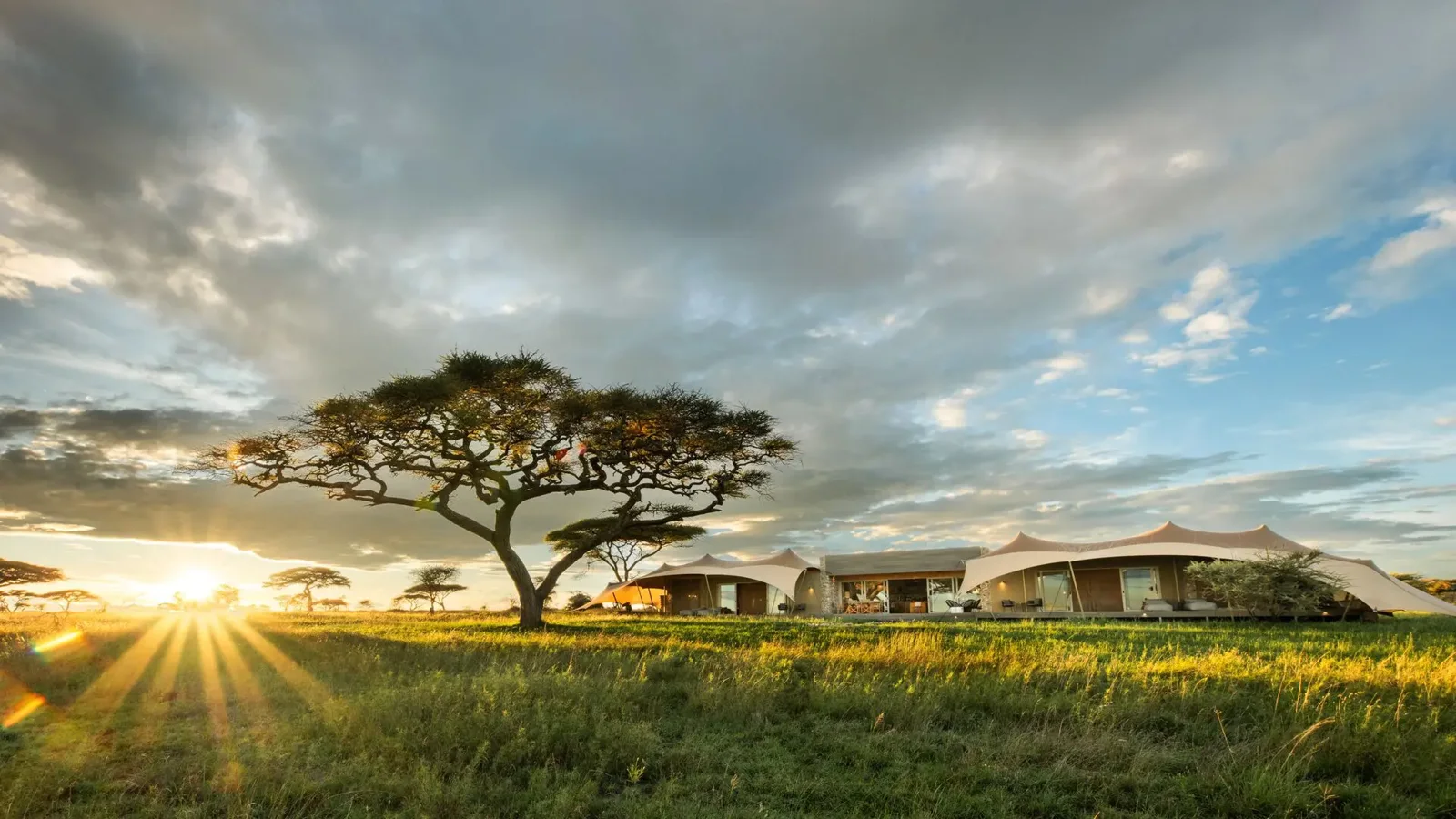
Serengeti
The Retreats at Namiri Plains offer a private base for families and friends in the eastern Serengeti’s predator-rich grasslands. Here, the appeal combines the eastern plains’ resident wildlife with the freedom of a dedicated team. A group can have its own lounge, meals and guiding arrangements while still benefiting from the main camp nearby. The setting retains Namiri’s open horizons and access to big cat country, rather than introducing a different Serengeti wildlife area.
View property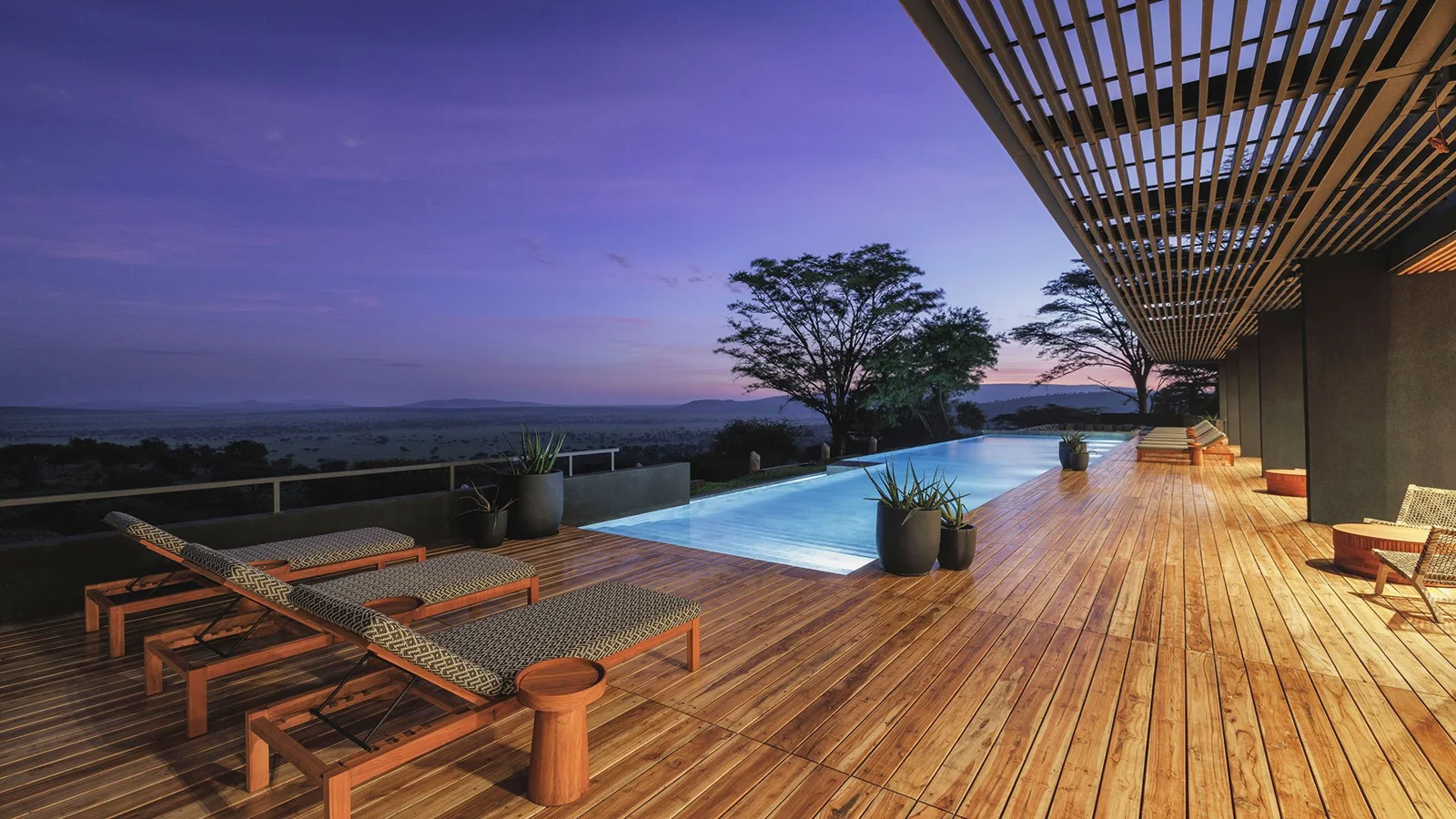
Serengeti
Serengeti Explorer is a contemporary lodge in the Nyaboro Hills, overlooking the south-central Serengeti from an elevated position. It offers a different kind of safari stay from a small tented camp, with a broad range of rooms, several dining venues and activities that continue after the game drive finishes. The outlook is a central part of the experience, but so are the pool, photography facilities and opportunities to spend a more varied day at the lodge.
View property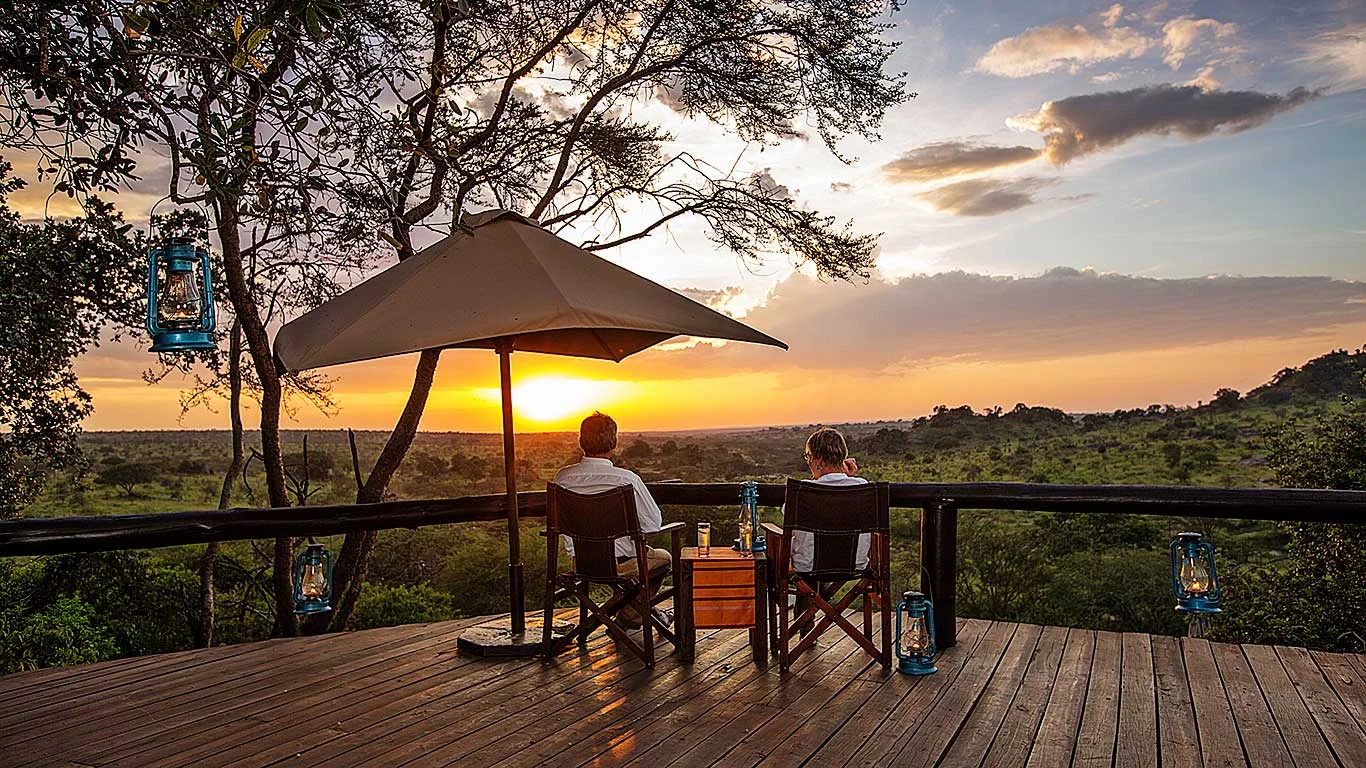
Serengeti
Serengeti Migration Camp is a permanent tented camp beside the Grumeti River in the northern Serengeti. Elevated tents are tucked among rocky outcrops, with the river and surrounding hills forming a distinctive backdrop to a safari stay. The setting brings wildlife close to camp and a lively soundtrack from resident hippos, while the main decks offer places to watch the landscape when you are between drives.
View property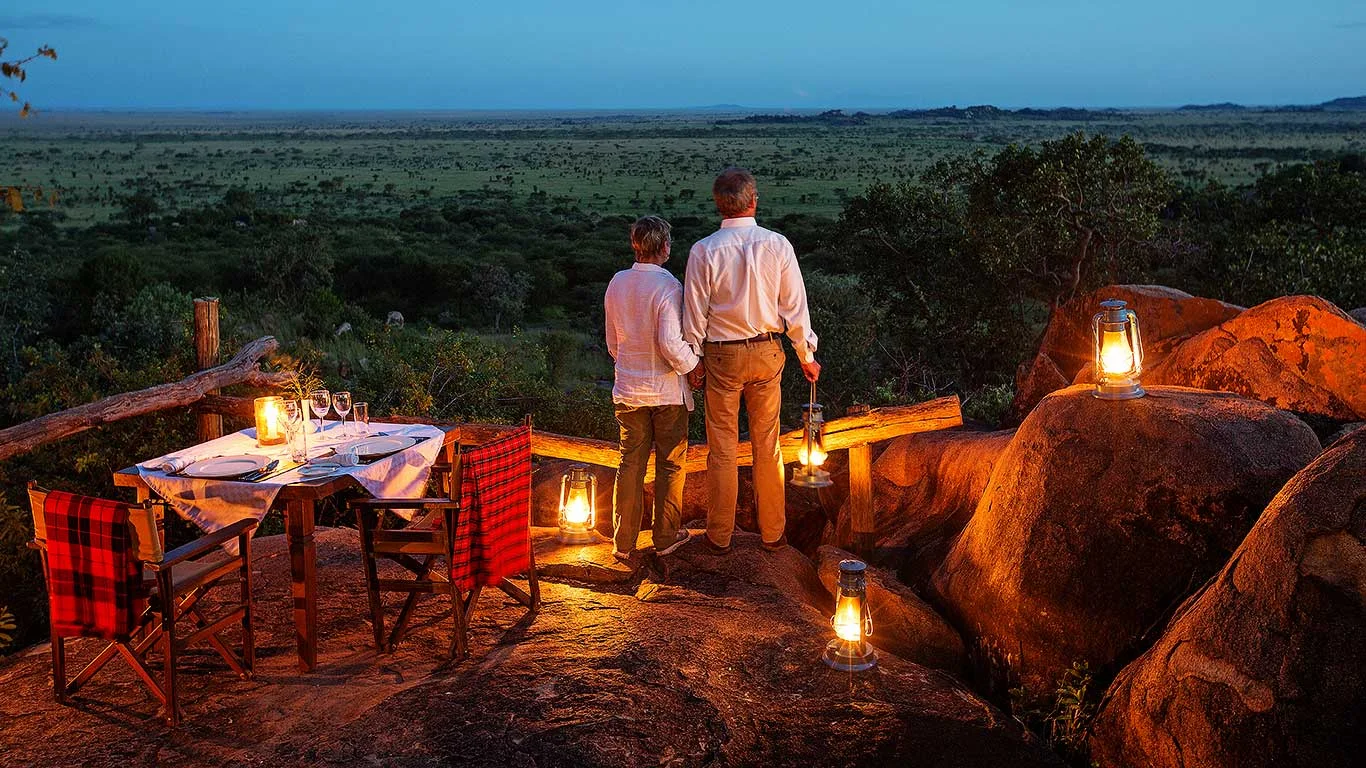
Serengeti
Serengeti Pioneer Camp is an intimate tented base in the south-central Serengeti, perched on its own kopje near the Moru Kopjes. Its position gives broad views towards Lake Magadi and the surrounding plains, while the styling recalls the early days of mobile safari. It is a good option when you want the atmosphere of canvas accommodation with established camp comforts and access to a varied part of the national park.
View property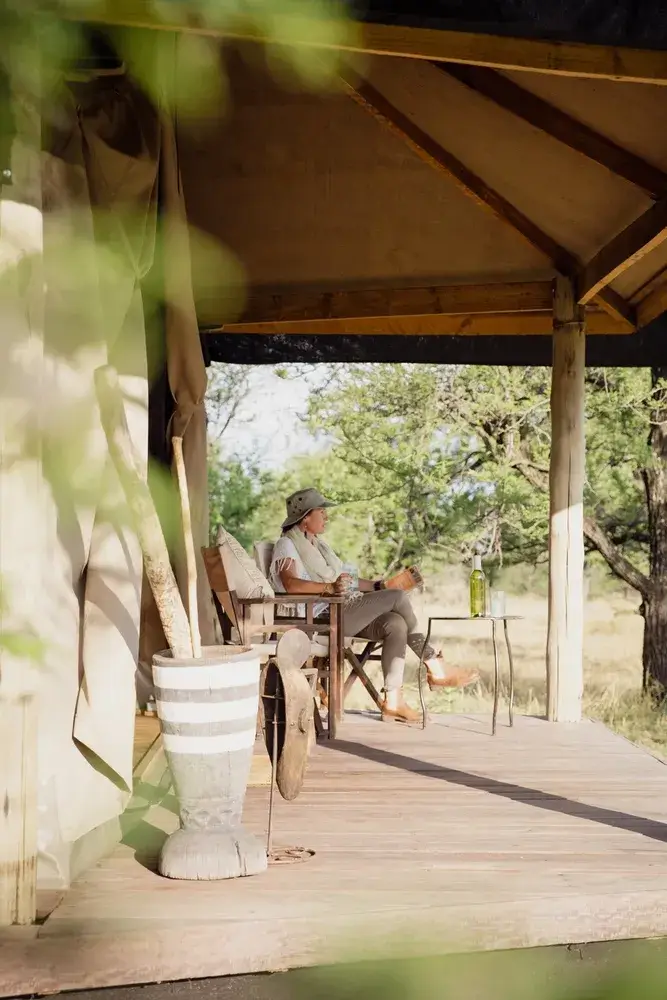
Serengeti National Park
Serian Lamai is a beautifully intimate luxury camp situated in the wild heart of the Lamai Wedge in northern Serengeti. Located under a kilometre from the Mara River, it offers dramatic, front-row access to wildebeest river crossings during the Great Migration, while also providing year-round sightings of lions, elephants, leopards in uncrowded wilderness.
View property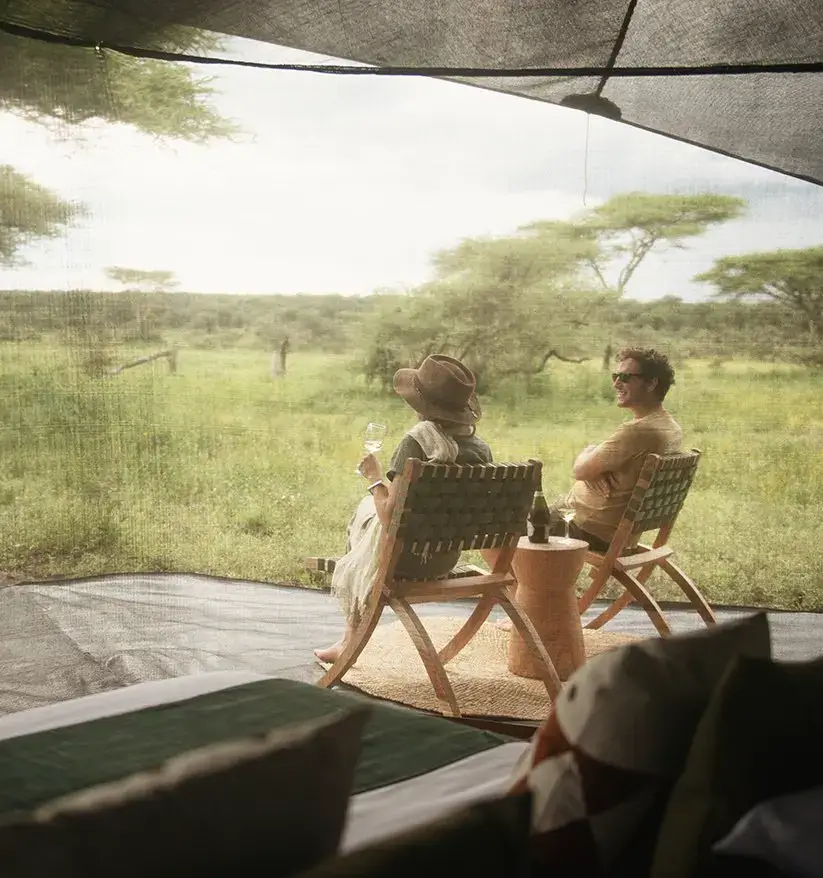
Serengeti National Park
Wayo Serengeti Green Camp is an intimate, eco-conscious tented safari camp set in remote and wildlife-rich areas of the Serengeti, moving seasonally to follow the rhythms of the Great Migration. Designed to offer a low-impact yet immersive wilderness experience, the camp combines comfort, excellent guiding and access to some of Africa’s most dramatic wildlife spectacles.
View property
Serengeti National Park
Laba Grumeti Art Lodge is a striking luxury safari lodge located within the private Grumeti Reserve on the western edge of Tanzania’s Serengeti ecosystem. Combining bold contemporary design with exceptional wildlife access, the lodge offers a unique blend of art, architecture and safari, set against sweeping plains that host abundant wildlife and seasonal movements of the Great Migration.
View property
Serengeti National Park
Usawa Serengeti is a luxury mobile tented camp that follows the movements of the legendary Great Migration as the herds travel across the length and breadth of the Serengeti-Mara ecosystem. Here you will have a front-row seat to all the action as it unfolds, while enjoying the privacy and sense of remoteness that comes from being away from the busier tourist areas.
View property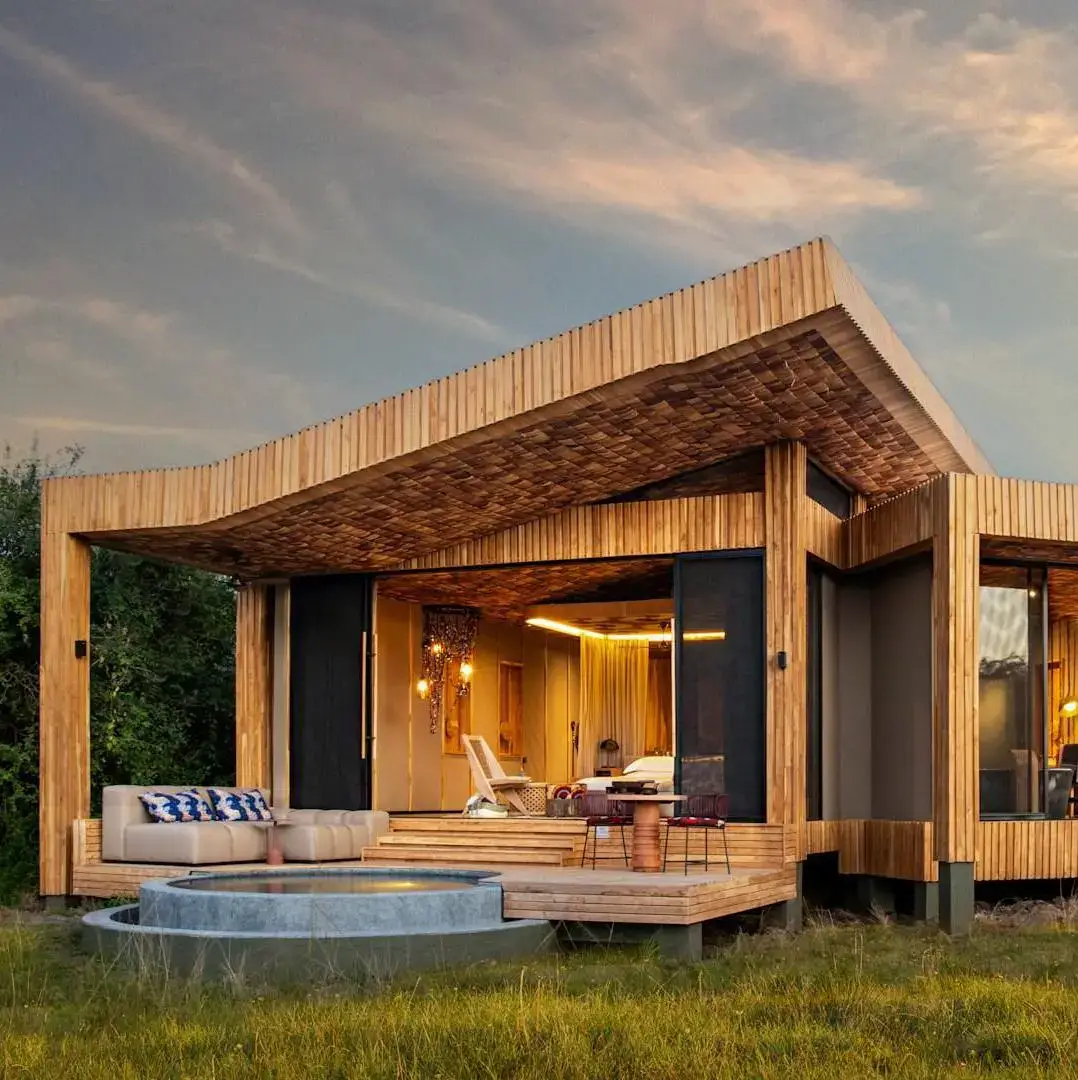
Serengeti National Park
Grumeti Serengeti River Lodge is an intimate, luxurious retreat tucked away in a secluded corner of the western Serengeti, overlooking a river rich with hippos and abundant wildlife. Offering front-row seats to some of Africa’s greatest natural spectacles, this lodge combines world-class comfort with an authentic atmosphere.
View property
Serengeti National Park
Singita Faru Faru is a contemporary safari lodge set on the Grumeti River in Tanzania’s private Grumeti Reserve, offering a relaxed, design-led take on classic Serengeti luxury. With open spaces, exceptional guiding and a strong conservation ethos, it blends effortless comfort with some of East Africa’s most exclusive wildlife encounters.
View property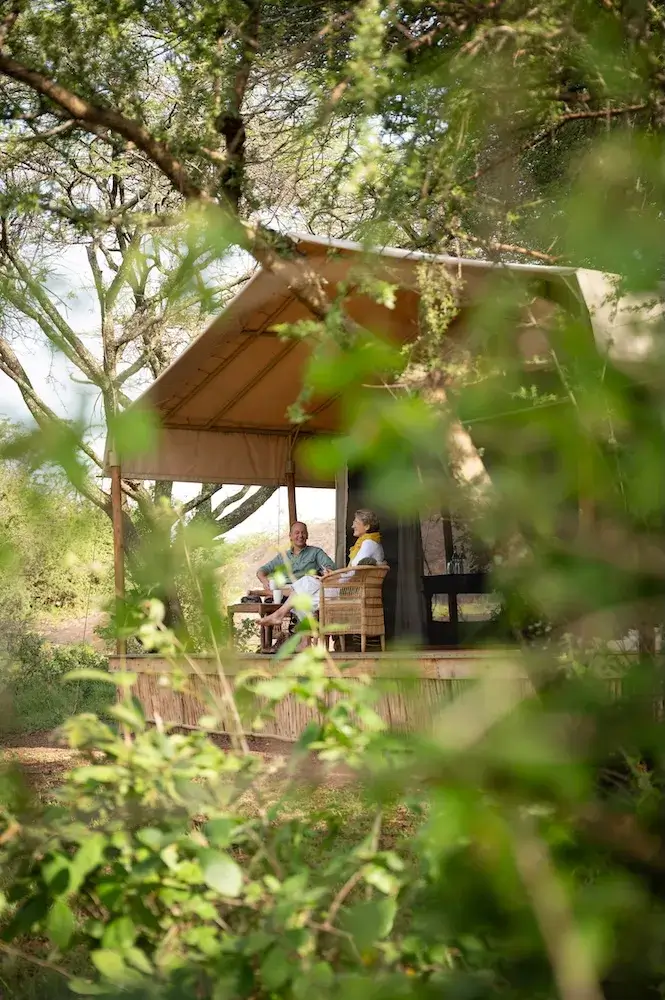
Serengeti National Park
Kusini Serengeti is a brand-new tented camp located in the southern Serengeti, nestled among granite kopjes and open plains. It offers sweeping vistas across predator-rich wilderness and is perfectly placed for wildlife enthusiasts wanting proximity to migration paths, dramatic scenery, and fewer crowds.
View property
Serengeti National Park
Singita Sabora Tented Camp is a beautifully reimagined luxury safari camp set within Tanzania’s private Grumeti Reserve, offering an intimate, romantic take on classic East African exploration. Blending vintage safari elegance with contemporary design and exceptional guiding, it delivers immersive wildlife experiences alongside refined comfort in one of the Serengeti ecosystem’s most exclusive regions.
View property
Serengeti National Park
Singita Sasakwa Lodge is a majestic hilltop retreat in Tanzania’s private Grumeti Reserve, offering ultra-luxury safari accommodation with panoramic views across the Serengeti plains. With grand villas, world-class service, and exclusive wildlife experiences, it blends classic elegance with immersive African adventure.
View property
Serengeti National Park
Four Seasons Safari Lodge Serengeti is a haven of luxury tailored to cater to travelers seeking adventure enriched with contemporary comforts. Here, you can embark on exhilarating Serengeti game drives whilst also partaking in immersive experiences with the local communities.
View property
Serengeti National Park
Serengeti Under Canvas epitomizes luxury with its semi-permanent tented camp, strategically relocating across the Serengeti to keep pace with the mesmerizing migration of herds. This nomadic camp follows the rhythmic footsteps of over two million wildebeest and various herbivores as they traverse the grasslands in pursuit of fresh pastures each year.
View property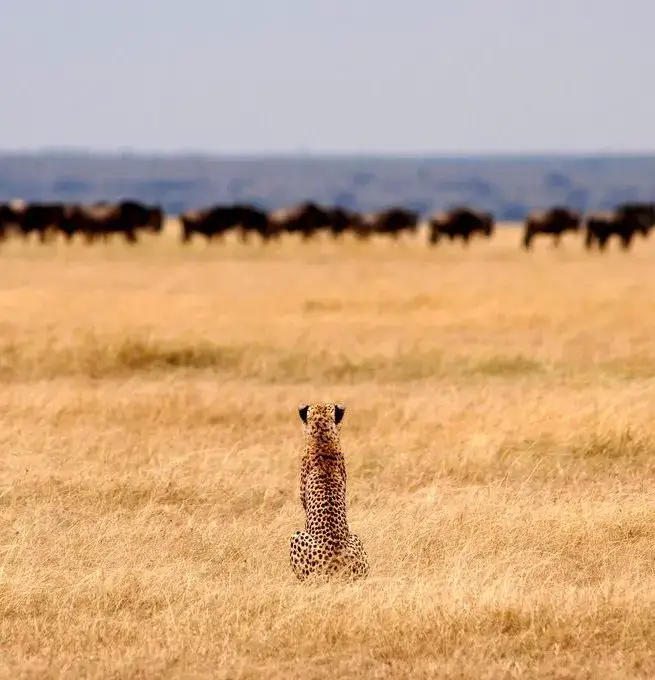
Serengeti National Park
Serengeti Safari Camp is a traditional mobile tented camp that moves throughout the year to always be at the optimal vantage point for experiencing the breathtaking spectacle of the Great Migration. Here, you'll witness thousands of wildebeest in their majestic herds as they traverse the vast Serengeti landscape.
View property
Serengeti National Park
Mwiba Lodge is an exclusive, eco-luxury safari lodge nestled among massive boulders overlooking the Arugusinyai River gorge in the southern Serengeti. Located in a private 51,000-acre wildlife reserve, the lodge offers unparalleled access to diverse wildlife, including elephants, lions, and leopards, with the added advantage of off-road and night game drives.
View property
Serengeti National Park
Serian South is a seasonal tented camp set on the southernmost edge of the short-grass plains in the Serengeti. From mid-December to May, when the herds migrate back for the birthing season, it offers a rare opportunity to witness one of nature’s most extraordinary events from a remarkably private, off-grid camp away from the crowds.
View property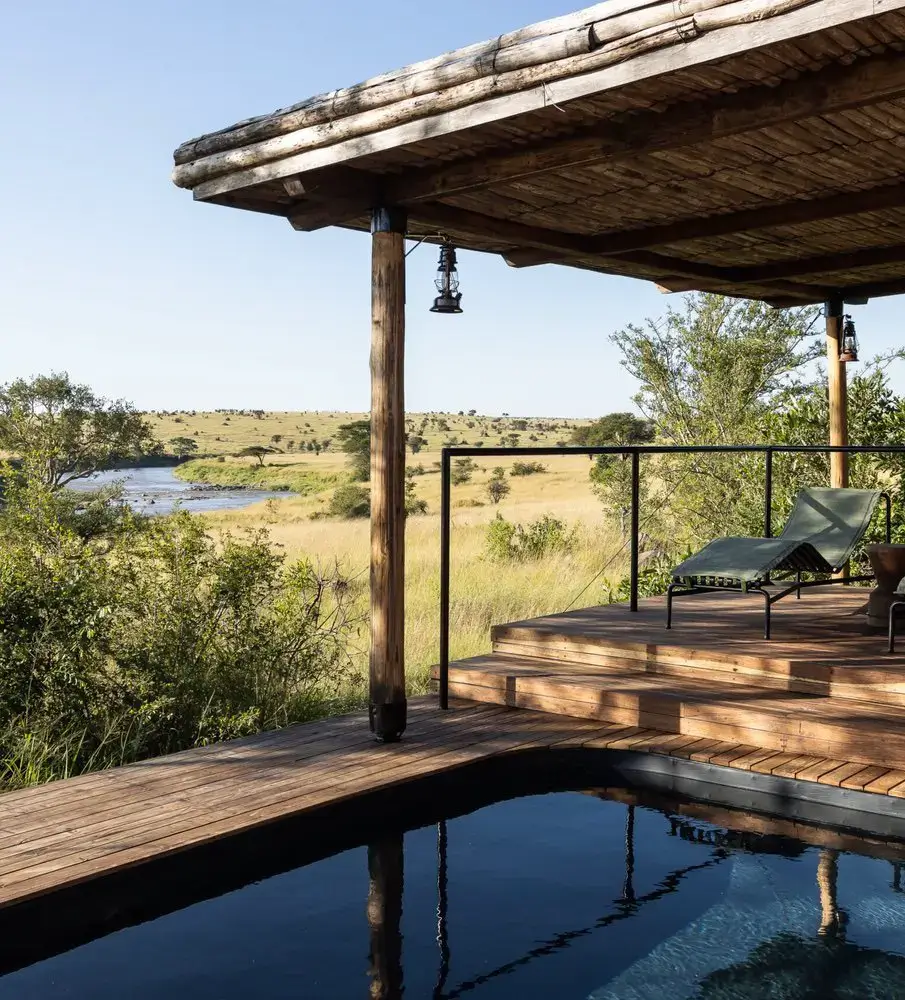
Serengeti National Park
Singita Mara River Tented Camp is a stunning luxury tented camp located on a dramatic bend in the Mara River within the Lamai triangle, providing unsurpassed viewing of the wildebeest river crossings during their annual migration.
View property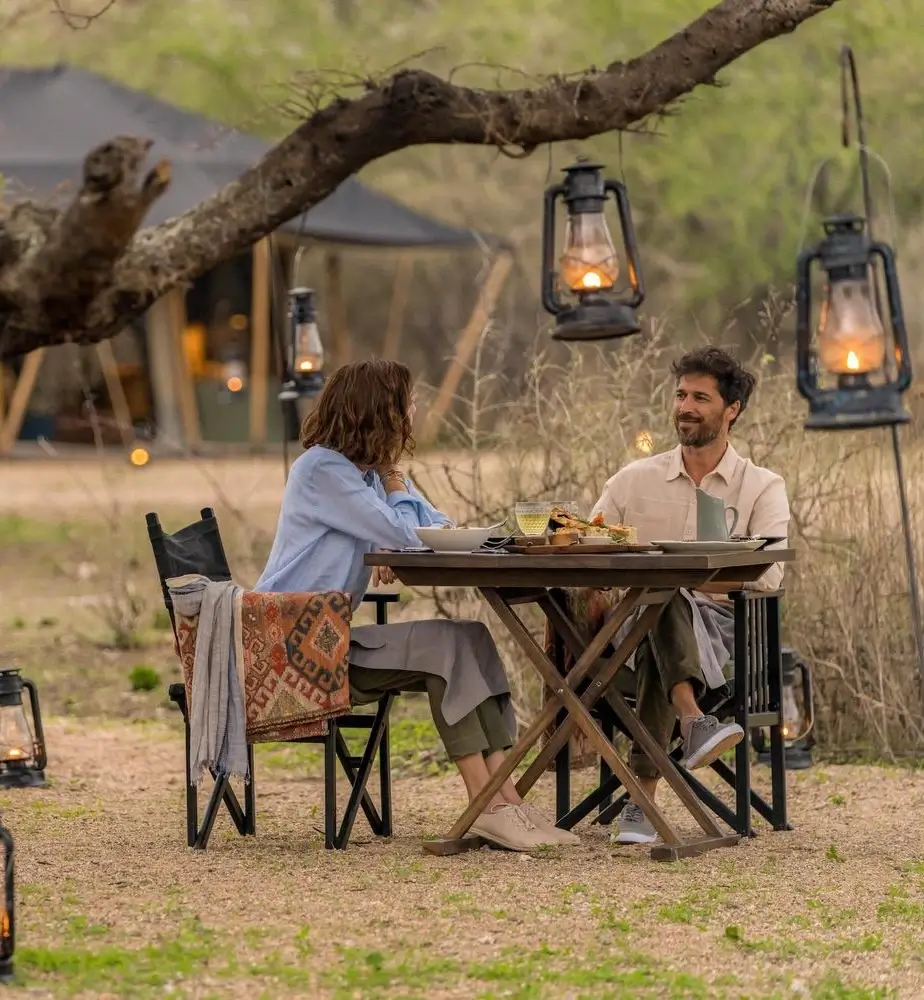
Serengeti National Park
Nyasi Tented Camp is a luxury safari camp located in the Lamai Wedge of Tanzania’s Northern Serengeti. Positioned amidst the vast golden grasslands, the camp offers guests an intimate connection with nature and front-row access to the Great Migration.
View property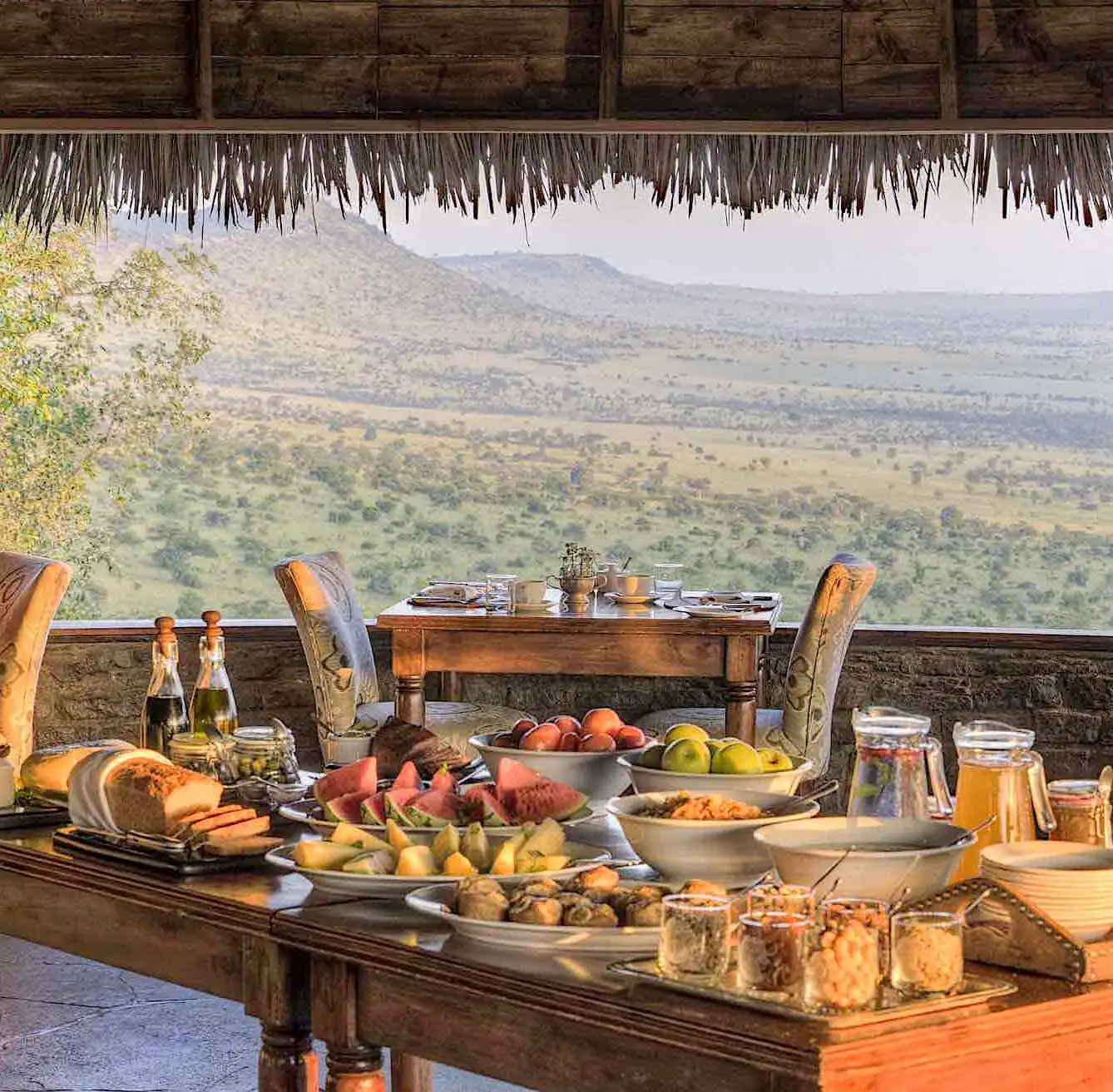
Serengeti National Park
&Beyond Klein’s Camp is an intimate luxury safari lodge set within a private 10,000-hectare concession on the north-eastern edge of the Serengeti National Park, bordering Kenya’s Maasai Mara. Perched on the forested slopes of the Kuka Hills, the camp commands breathtaking views across rolling valleys and grasslands, offering an exclusive safari experience with exceptional year-round wildlife viewing away from the crowds.
View property
Serengeti National Park
LABA Explorer is a mobile, design-led safari experience that moves through Tanzania’s most iconic wilderness areas, combining contemporary African art, expert guiding and immersive wildlife encounters. Blending adventure with creativity, it offers a flexible and intimate way to explore the Serengeti ecosystem and beyond.
View property
Serengeti National Park
Nimali Mara sits on a small rise, tucked between boulders and a dappled forest, in the remote parts of Northern Serengeti. This intimate, permanent tented camp is ideally positioned to catch the best of the Serengeti action along the Mara River, yet delightfully tucked away from the throngs of visitors.
View property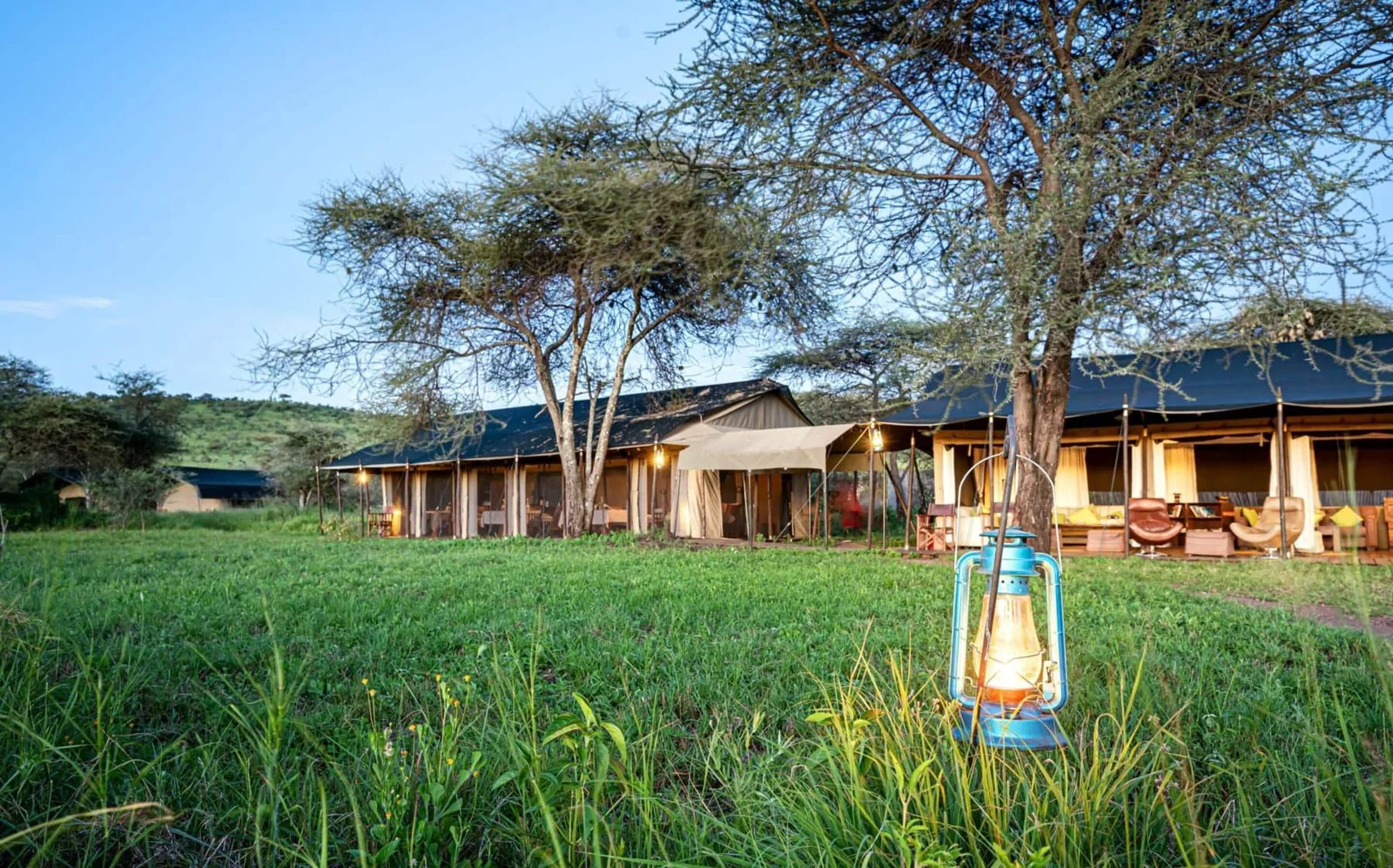
Serengeti
Lemala Ewanjan is a traditional tented camp in the Seronera Valley of the central Serengeti. Its location makes it a useful base for resident wildlife and big cats throughout the year, with migration herds passing through at certain times rather than defining the entire experience. The atmosphere is distinctly that of a canvas safari camp.
View property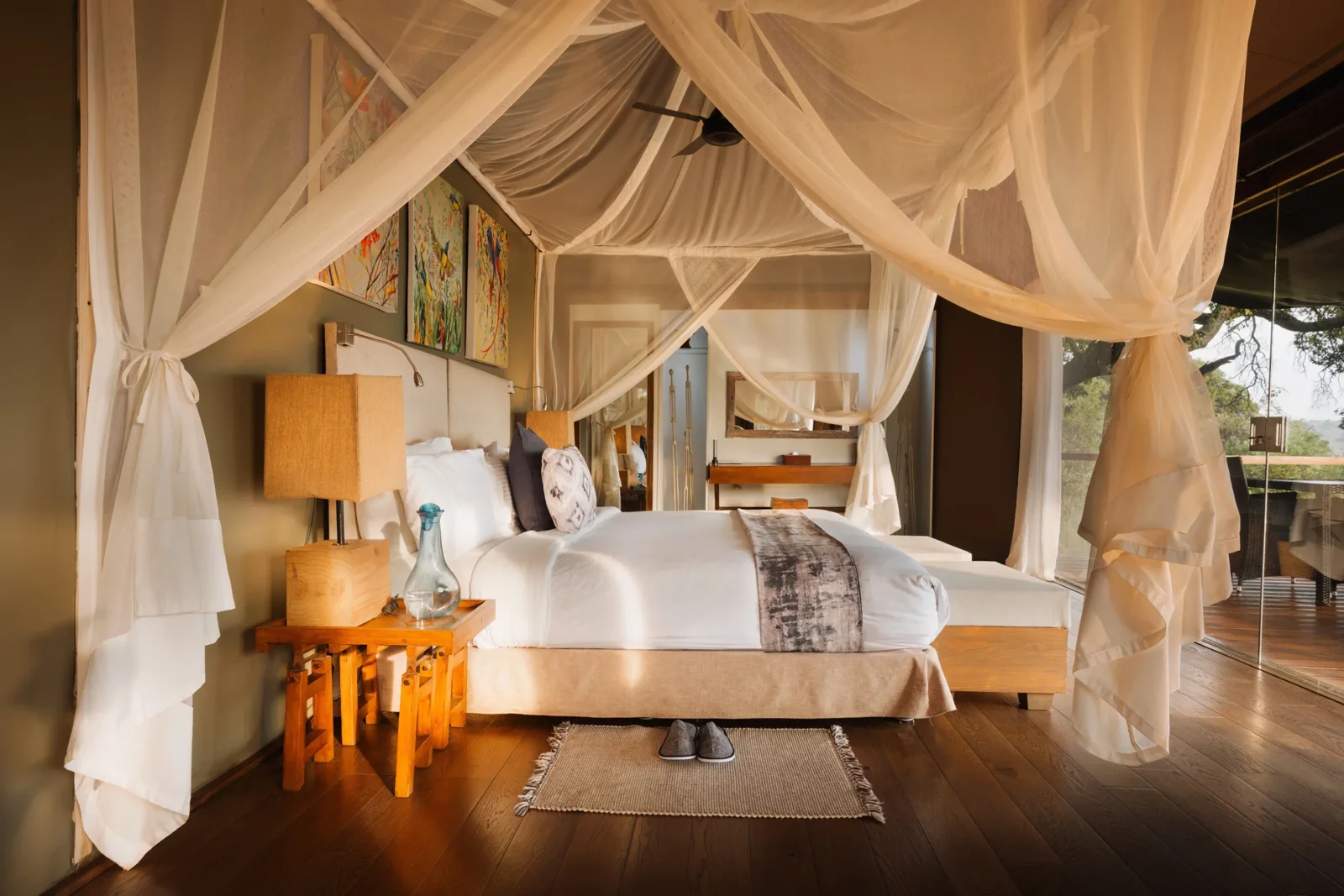
Serengeti
Lemala Kuria Hills occupies a rocky setting in the Wogakuria Hills of the northern Serengeti, within reach of the Mara River. It combines substantial suite accommodation with access to a landscape that supports resident wildlife as well as the seasonal migration. Granite kopjes and broad grassland views are central to its character.
View propertySerengeti National Park
Lamai Serengeti is a highly regarded, beautifully positioned lodge in the northern Serengeti, known for its exceptional year-round wildlife and prime access to the Great Migration. Perched among rocky kopjes with sweeping views across open plains, the camp offers a perfect blend of classic safari atmosphere, outstanding guiding and a wonderfully private wilderness.
View property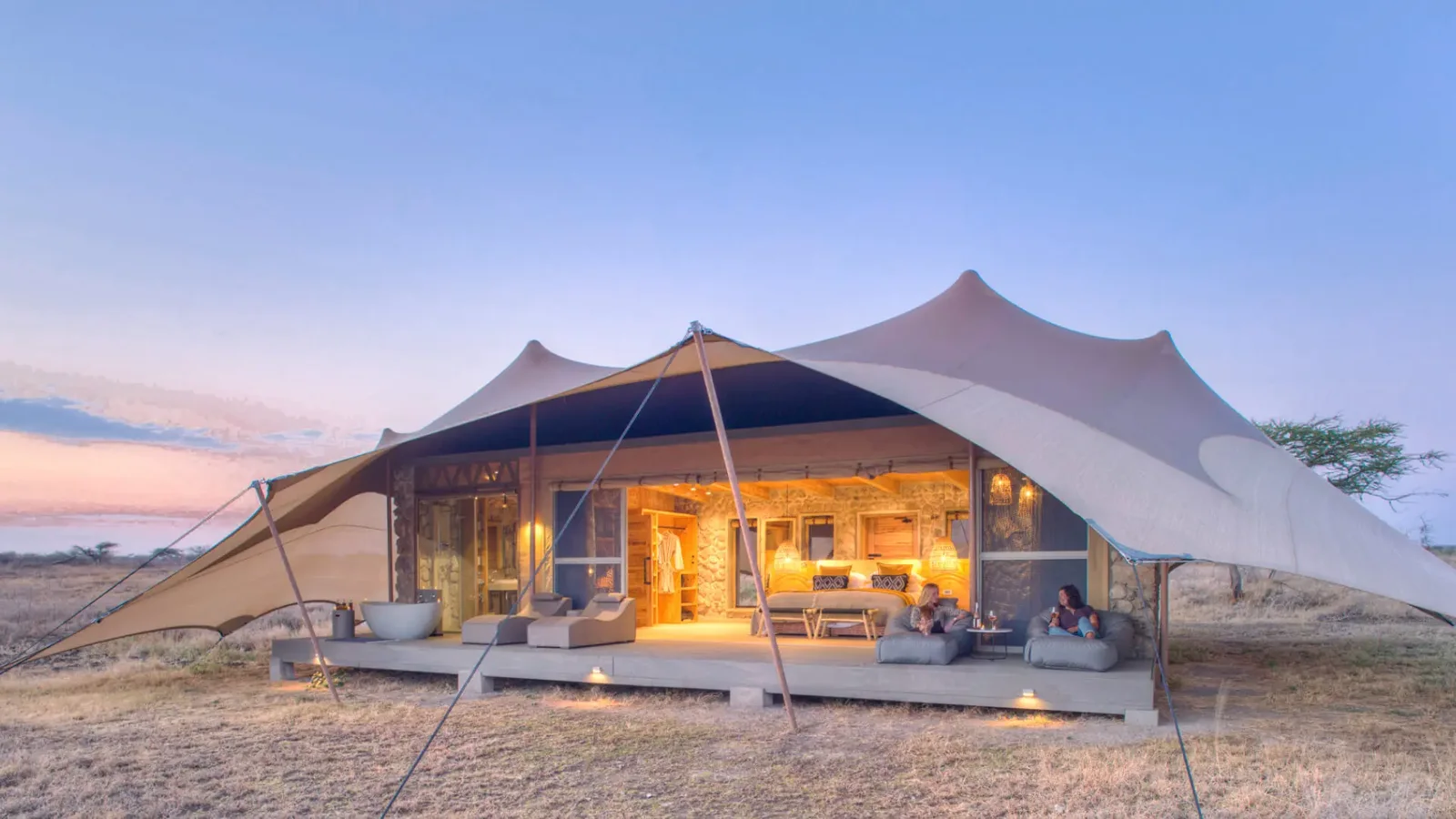
Serengeti
Namiri Plains places you in the eastern Serengeti, where open grasslands and resident predators make wildlife the focus throughout the year. The setting is especially associated with lion and cheetah, with resident plains game sustaining wildlife interest beyond the migrating herds. Low buildings and wide horizons create a feeling of space, while the water source near camp brings another focus to the view. It is a Serengeti stay shaped by its eastern location and predator habitats.
View propertyStart planning